Smart Vending Payments, Telemetry and Cybersecurity Checklist
Smart vending cybersecurity decisions should begin with the project owner's use case,…

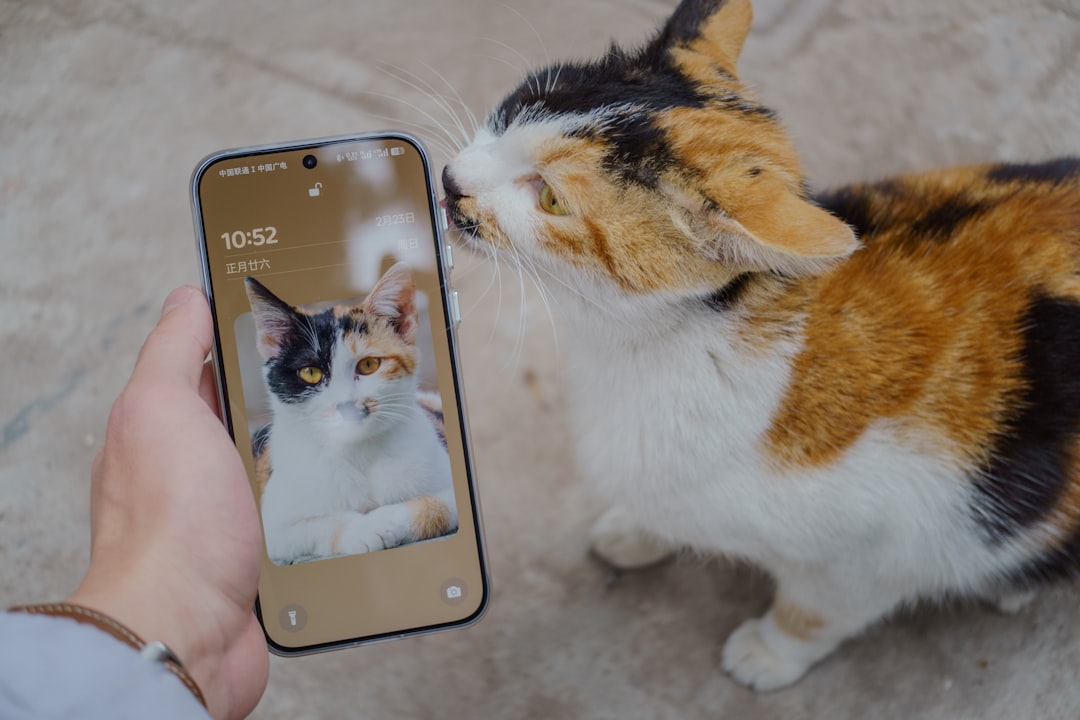
The mobile app is the interface through which every smart pet feeder owner interacts with the product after setup. A great feeder with a bad app gets 3-star reviews; a decent feeder with a polished app gets 5-star reviews. For a B2B buyer stocking pet feeders, the app quality is as important as the hardware, but it is the hardest thing to evaluate from a product sample because app flaws only surface after weeks of use. This article explains what a 2026 pet feeder app must deliver, where most brands fail, and how to evaluate an app before committing to a large PO. Written from Hefei, China, by Eviehome (Hefei Ecologie Vie Home Technology Co., Ltd.).
For 95 percent of pet feeder owners, the feeder runs silently in the corner and the app is the only thing they touch. Every interaction with the product (schedule edit, manual dispense, low food notification, firmware update, meal history check) happens in the app. If the app is slow, ugly or unreliable, the owner blames the brand even if the hardware is perfect.
Amazon reviews are brutal on pet feeder apps. Analysis of 2000+ reviews on the top 30 pet feeders in 2025 shows 60 percent of 1-star and 2-star reviews mention app issues (pairing failures, notification delays, crashes). Hardware failures are the minority of complaints.
Every smart pet feeder app in 2026 should deliver these features as table stakes:
Beyond the baseline, these features justify the premium pricing of USD 149+ feeders:
For a new pet feeder brand, the app platform decision is binary: Tuya white-label or a custom native app.
Tuya is a Chinese IoT platform that provides the cloud, firmware SDK, and app framework for millions of smart home devices worldwide. A Tuya-based pet feeder ships with the Tuya Smart app out of the box, or you can pay USD 5 000 to 15 000 for a white-label app with your brand.
Pros: fast time to market (2 to 4 weeks), proven reliability, automatic OS compatibility updates (iOS 18, iOS 19, Android 15 etc.), works with Alexa/Google Home out of the box, lower engineering cost.
Cons: generic look and feel, limited UI customization, dependency on Tuya cloud (which most Western buyers do not mind but some do), slightly slower app than a native custom app.
Pros: full UI control, unique brand experience, faster performance, direct cloud control.
Cons: USD 80 000 to 250 000 initial development, USD 20 000 to 60 000 per year maintenance, responsibility to handle every OS update, bugs, app store review issues. Many custom apps in this category are abandoned by the brand after 1 to 2 years, which destroys customer trust.
Recommendation: for a new brand selling under 10 000 units per year, use Tuya. For an established brand over 50 000 units per year that can justify a USD 100 000+ app investment, a custom app is viable. Between those two tiers, Tuya is still the right choice.
Before committing to a 500+ unit order, test the app with this protocol:
Tuya cloud data is stored on AWS or Tencent depending on user region. EU and US buyers are routed to EU/US data centers. Tuya has SOC 2, ISO 27001 and GDPR compliance certifications. Most enterprise Western brands accept Tuya on this basis. Specific buyers with stricter requirements can request Tuya Enterprise with private cloud deployment.
Yes. Tuya offers an open SDK so you can build a custom app that talks to the Tuya cloud. This gives custom UI with the reliability of Tuya’s backend. Cost: USD 30 000 to 80 000 for the custom app, much lower than a full custom stack.
Both. Our entry and mid-range pet feeders ship with Tuya Smart (or your white-label variant). Our premium line supports custom app integration through the Tuya Open SDK. Contact Ryan Lau for integration details.
Eviehome manufactures Tuya-integrated and custom-app-ready smart pet feeders. Based in Hefei, China since 2014. See our WiFi pet feeders 2026 features article.
Contact Ryan Lau at ryanlau@eviehometech.com, on WhatsApp at +86 199 5653 0913, or use the contact form.