Smart Vending Payments, Telemetry and Cybersecurity Checklist
Smart vending cybersecurity decisions should begin with the project owner's use case,…

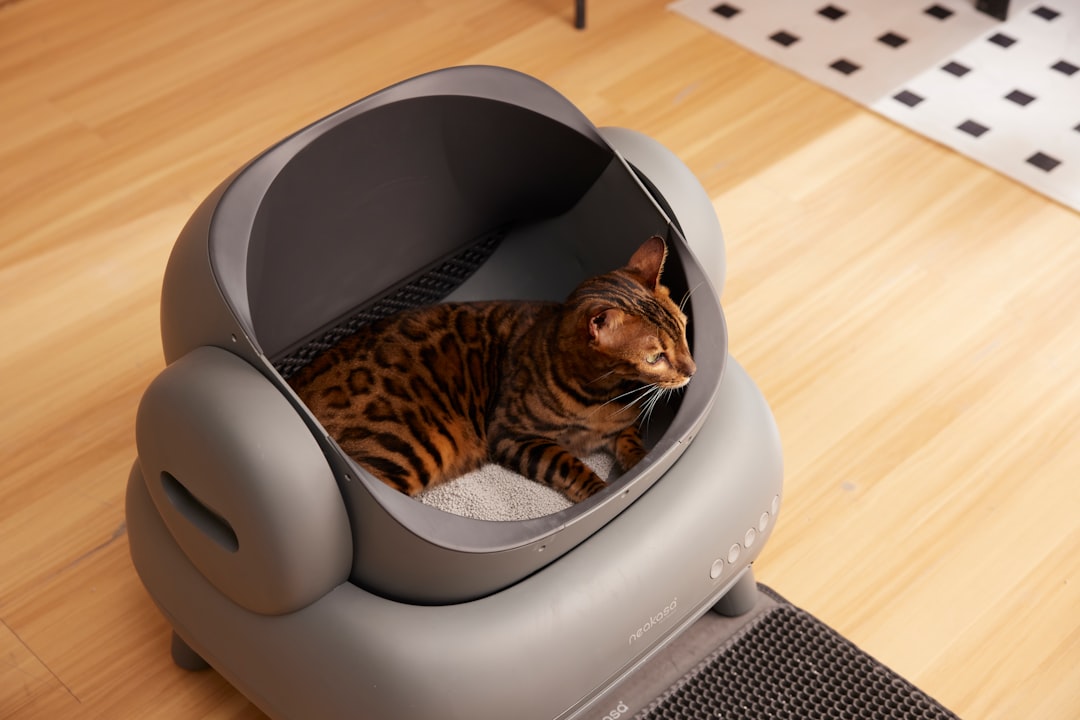
The Rise of Automatic Cat Litter Boxes: Convenience, Controversy, and Care
In the ever-evolving world of pet care, few innovations have sparked as much discussion as the automatic cat litter box. Marketed as a high-tech solution to one of the most mundane aspects of cat ownership, these self-cleaning devices promise to scoop waste automatically, reduce odors, and free up time for busy pet parents. But beyond the sleek marketing and app connectivity, what do automatic litter boxes truly offer—and what should cat owners consider before making the investment?
Automatic litter boxes use a combination of sensors, motors, and raking or sifting mechanisms to detect when a cat has used the box and then separate waste from clean litter. Most models wait a set period after the cat exits before activating, ensuring safety. Waste is typically deposited into a sealed compartment lined with a disposable bag, while clean litter is returned to the main bed. Some advanced units even integrate with smartphone apps to track usage, monitor weight changes, and send alerts for potential health issues.
The most obvious advantage is convenience. For multi-cat households, elderly owners, or people with mobility issues, automatic litter boxes can significantly reduce daily maintenance. They also help control odors more effectively than traditional boxes, especially when waste is sealed immediately after use. Additionally, consistent cleaning can encourage better litter box habits, reducing the likelihood of inappropriate elimination.
Health monitoring is another emerging benefit. Some premium models track a cat’s weight and frequency of use, potentially alerting owners to early signs of urinary tract infections, kidney disease, or diabetes—conditions that often manifest through changes in litter box behavior.
Despite the perks, automatic litter boxes aren’t without downsides. The initial cost is steep, often ranging from $200 to over $700, not including ongoing expenses for proprietary litter, replacement parts, or waste bags. Mechanical failures are not uncommon; motors can jam, sensors can malfunction, and cleaning the internal mechanisms can be more time-consuming than scooping a traditional box.
Cats themselves can be the biggest hurdle. Some felines are frightened by the noise or movement, leading to litter box avoidance—a serious behavioral issue. Others may be too small or too large for the unit’s safety sensors, risking injury or incomplete cleaning. There’s also the environmental impact: many models rely on disposable plastic bags and non-biodegradable components, raising sustainability concerns.
If you’re considering an automatic litter box, prioritize safety certifications, ease of cleaning, and compatibility with your cat’s size and temperament. Read reviews from long-term users, not just unboxing videos. And remember: no machine replaces the need for regular deep cleaning, veterinary check-ups, or attentive observation of your cat’s behavior.
Automatic cat litter boxes represent a fascinating intersection of technology and pet care. For the right household, they can be a genuine quality-of-life upgrade. But they’re not a universal solution—and they certainly don’t absolve owners of the responsibility to understand their cat’s needs. As with any pet product, the best choice balances innovation with empathy, ensuring that convenience never comes at the cost of your cat’s well-being.
After all, a happy cat doesn’t just need a clean box—they need a home that feels safe, predictable, and full of love. Technology can support that, but it can never replace it.