Smart Vending Payments, Telemetry and Cybersecurity Checklist
Smart vending cybersecurity decisions should begin with the project owner's use case,…

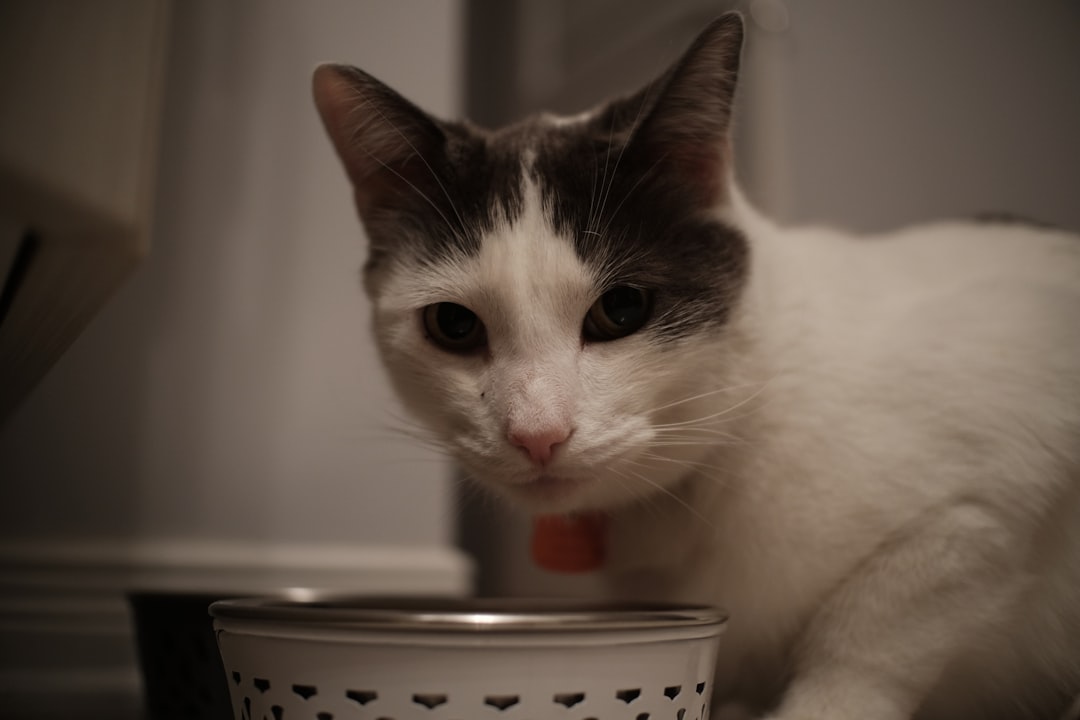
Launching a private-label pet feeding brand in 2026 is more accessible than ever: a USD 15 000 to 40 000 first order gets you a branded 3-SKU product line that can generate USD 200 000+ in first-year revenue on Amazon. But the OEM journey is full of pitfalls that new brands walk into. This article is the practical step-by-step guide to launching a pet feeding line from scratch, based on 150+ OEM projects we have supported at Eviehome (Hefei Ecologie Vie Home Technology Co., Ltd.) since 2014.
Before talking to factories, decide your brand positioning. The 4 common positions in pet feeding in 2026:
Pick one and commit. A brand that tries to cover all four segments from day one will fail because the marketing, channel and creative needs are incompatible.
For a first-time brand, a 3-SKU line is the sweet spot: broad enough to fill a category, narrow enough to manage inventory and marketing without overhead. Recommended structure:
Total first order volume: 500 units per SKU = 1500 units total, roughly USD 35 000 to 55 000 FOB depending on feature mix. Add USD 8 000 to 15 000 for packaging, tooling fees and photography.
There are roughly 30 credible pet feeder factories in China in 2026 (down from over 50 in 2020 as the market consolidated). Finding the right one involves:
Red flags to walk away from: no physical address, refusal to do a video tour, no previous OEM customer references, unrealistic lead times (a feeder cannot be produced in 15 days for 500 units).
Before sharing any specs, designs or brand assets, sign a mutual NDA. Most factories will sign without issue; refusal is a red flag.
Request 3 sample units per SKU: 1 for your own testing, 1 for photography, 1 for a third-party reviewer. Expect to pay USD 100 to 300 per sample including shipping. Sample cost is deductible from the first PO at good factories.
First-time brands make two common customization mistakes:
The right balance for a first brand: use the factory’s existing tooling and PCB, customize the cosmetic layer (color, logo, packaging, manual, app branding if available). This adds USD 500 to 2000 in one-time fees and keeps the launch timeline under 3 months.
Target markets determine your certification requirements:
The factory should provide all certificates in your brand name at no extra cost for existing models. New certifications for custom products cost USD 3 000 to 15 000 per market.
Lead time from signed PO to shipment ready: 45 to 70 days for 500 to 2000 units. Payment terms for a first-time buyer: 30 percent deposit on PO, 70 percent before shipment (sometimes 30/30/40 with middle payment on inspection).
Third-party pre-shipment inspection: USD 300 to 500 for QIMA or AsiaInspection to check 10 percent of the units against your spec. Essential on first orders. Catches the “factory tried to cut corners” risk.
A good launch is a 3-month ramp: week 1 to 4 soft launch with ad testing, week 5 to 8 PR and influencer push, week 9 to 12 full ad budget and Amazon optimization. Reorder the second PO 45 days before you run out of inventory so the next batch arrives before stockout.
USD 25 000 to 40 000 covers: 3-SKU first PO (USD 15 to 25k), packaging and photography (USD 5 to 8k), initial Amazon PPC (USD 5 to 10k), certifications if needed (USD 2 to 5k). Below USD 20 000 is possible but the margin for error is very thin.
90 to 120 days from first factory contact to shelf-ready product is realistic for a first-time brand. Faster is possible with an existing-design OEM approach and no custom tooling.
Yes, we specialize in first-time OEM projects. 500 units MOQ on most SKUs, full certification support, dedicated account management through Ryan Lau, sample shipping within 5 business days.
Eviehome manufactures smart pet feeders and cat water fountains with full OEM/ODM support. Based in Hefei, China since 2014. See our OEM/ODM services page and our wholesale buyers guide.
Contact Ryan Lau at ryanlau@eviehometech.com, on WhatsApp at +86 199 5653 0913, or use the contact form.