Smart Vending Payments, Telemetry and Cybersecurity Checklist
Smart vending cybersecurity decisions should begin with the project owner's use case,…

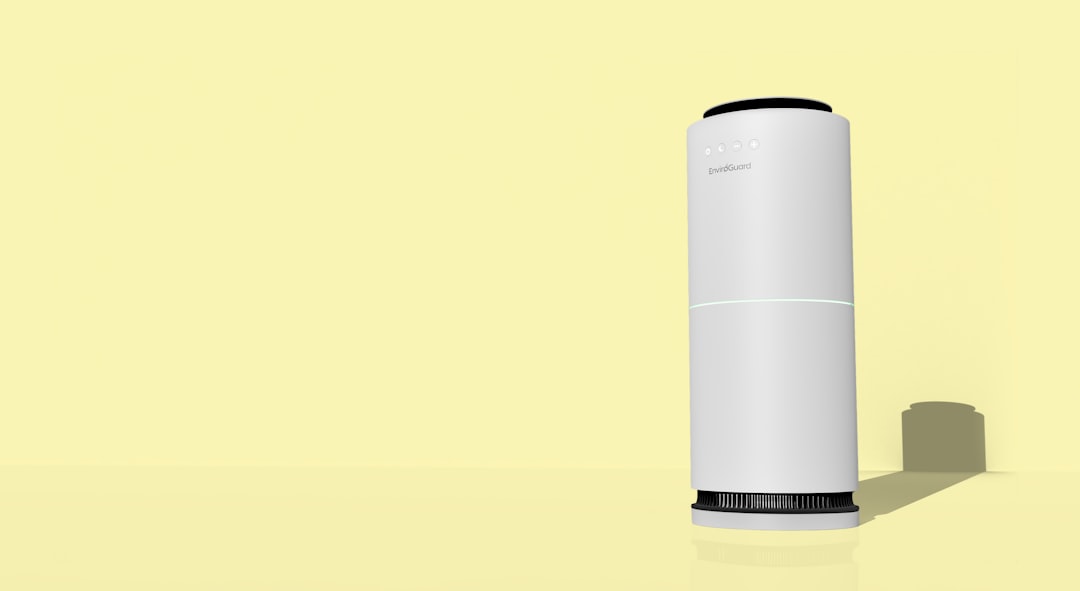
Pet air purifiers are the fastest-growing sub-category in smart pet products in 2026, with 25 percent year-over-year growth from a small USD 200 million base. They combine two mainstream categories (air purifiers and pet products) into a single product positioned for pet households with allergies, odor concerns, or shedding issues. For a B2B buyer, the category is attractive because the price tier is high (USD 99 to 299 retail), the consumable replacement filters create recurring revenue, and the buyer pain point is strong (indoor air quality in pet households is measurably worse than non-pet households). This article covers the tech, the positioning and the sourcing opportunities. Written from Hefei, China, by Eviehome (Hefei Ecologie Vie Home Technology Co., Ltd.).
Studies by Purdue University (2022) and Samsung Environmental Health (2023) measured indoor air quality in single-pet and multi-pet households versus pet-free households. Findings:
For households with human allergies, asthma, or simply sensitivity to pet odors, a dedicated pet air purifier is a tangible quality-of-life improvement.
A pet-specific air purifier is a generic air purifier tuned for the specific problems of pet households:
| Tier | Retail | Features |
|---|---|---|
| Entry | USD 79 to 129 | HEPA H13 + carbon, manual controls, small room (20 sqm) |
| Mid-range | USD 129 to 199 | + PM2.5 sensor + auto mode + mid room (30 sqm) |
| Smart | USD 199 to 299 | + WiFi + app + filter tracking + large room (50+ sqm) |
Like water fountain filters, pet air purifier filters are the recurring revenue driver:
Over a 3-year product lifespan, filter revenue can exceed hardware revenue. This is the core economics argument for entering this category.
There are 20 to 30 Chinese factories making air purifiers. Only 5 to 10 specifically target pet-tuned models. Most generic air purifier factories can produce a “pet” variant with different filter specs and marketing, but true pet-optimized purifiers come from factories that understand the specific issues (ammonia absorption, pet dander particle size, quiet pump requirements).
FOB cost: USD 22 to 38 for entry, USD 35 to 65 for mid-range, USD 55 to 95 for smart WiFi. MOQ 500 to 1000 units. Certification requirements: FCC, CE, ROHS, Energy Star (optional but desirable for US market).
Most ionizers release small amounts of ozone, which irritates pet respiratory systems (especially cats and small dogs). Avoid ionizer-based purifiers for pet households. HEPA + carbon is the pet-safe standard.
No purifier eliminates allergies; they reduce exposure. Combined with regular cleaning, washing bedding, and the HEPA filter, a pet air purifier can reduce allergy symptoms by 40 to 70 percent in most households. For severe allergies, it is a helpful tool, not a cure.
We are evaluating this category for 2026 but do not currently manufacture pet air purifiers. We can refer you to trusted factory partners in Guangdong through Ryan Lau.
Eviehome manufactures cat litter boxes, smart pet feeders and cat water fountains. We are actively evaluating the pet air purifier category. Based in Hefei, China since 2014. See our smart pet market overview 2026.
Contact Ryan Lau at ryanlau@eviehometech.com, on WhatsApp at +86 199 5653 0913, or use the contact form.