Smart Vending Payments, Telemetry and Cybersecurity Checklist
Smart vending cybersecurity decisions should begin with the project owner's use case,…

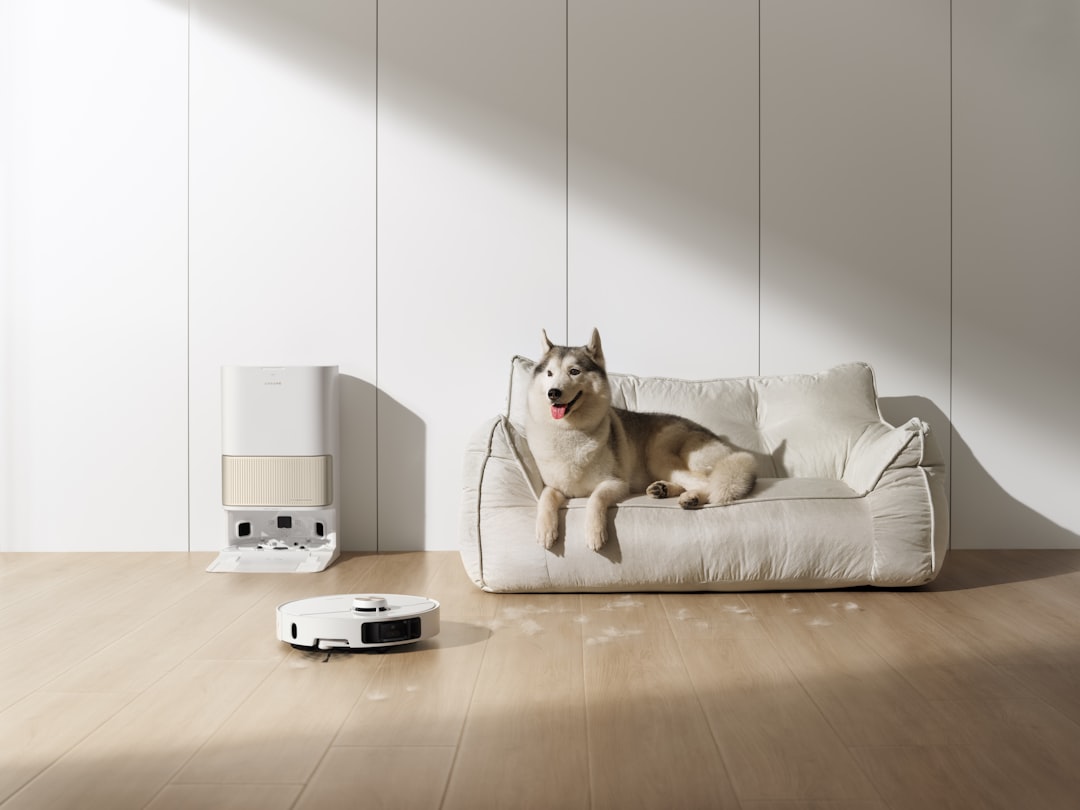
The smart pet products market crossed USD 7.2 billion in global revenue in 2024 and is on a 19% compound annual growth trajectory that will take it past USD 15 billion by 2028. This growth is not uniform: the category is splitting into hardware winners (automatic cat litter boxes, smart feeders, pet cameras, GPS trackers) and hardware losers (early-generation pet wearables without a strong health angle, generic WiFi pet toys). For B2B importers, distributors and private-label brands, understanding the shape of this market in 2026 is the difference between sourcing a product that sells itself and sourcing a product that sits on Amazon for 18 months without velocity. This overview maps the market by category, by geography, by price tier and by the underlying consumer forces that drive each segment, written from the supplier side by Eviehome (Hefei Ecologie Vie Home Technology Co., Ltd.), based in Hefei, China, which has been manufacturing smart pet products since 2014.
| Category | 2024 revenue (USD bn) | 2028 forecast (USD bn) | CAGR |
|---|---|---|---|
| Automatic cat litter boxes | 1.8 | 4.2 | 24% |
| Smart pet feeders | 1.3 | 2.8 | 21% |
| Pet cameras and monitors | 0.9 | 1.7 | 17% |
| Pet water fountains (smart) | 0.8 | 1.5 | 16% |
| GPS pet trackers | 0.7 | 1.6 | 23% |
| Smart bark collars and trainers | 0.5 | 0.9 | 16% |
| Pet air purifiers | 0.4 | 1.2 | 32% |
| Smart bird feeders with camera | 0.3 | 0.8 | 27% |
| Robot vacuums for pet hair | 0.3 | 0.6 | 19% |
| All other smart pet products | 0.2 | 0.5 | 25% |
The two fastest-growing categories in 2026 are pet air purifiers (driven by pet allergy awareness and urban apartment living) and smart bird feeders with camera (driven by social media and the aging of the US backyard-owning population). These are the emerging categories where first-mover B2B buyers capture share before the market becomes saturated.
Pets are treated as family members, not livestock, in every major developed market. 78% of US dog and cat owners consider their pet “part of the family” according to APPA 2024. Humanization translates into willingness to spend on premium automation, health monitoring and comfort.
The average US urban apartment is 8% smaller than it was in 2014. Cat ownership in urban apartments drives automatic cat litter box demand (the only space-efficient way to handle waste). Dog ownership in apartments drives GPS tracker demand (owners cannot fence a yard) and smart camera demand (owners monitor the dog during work hours).
The average US household with any cats now has 1.8 cats, up from 1.4 in 2014. Multi-cat households have a structurally higher baseline demand for automation because manual care scales linearly with the number of pets.
The 2020 to 2023 remote work wave permanently increased pet ownership (US pet adoption was up 25% in 2020 and never fully returned to baseline). These pandemic-era pets are now 4 to 6 years old, in their prime consuming years, and their owners are returning to the office part-time, which drives camera, feeder and GPS tracker demand as a guilt-reduction mechanism.
Smart pet products enable recurring revenue through consumable subscriptions (litter, filters, food, treats), app upgrades and accessories. Retailers who can attach a subscription to the hardware sale capture 3 to 5 years of customer value instead of a single transaction.
For a B2B importer launching a new brand, the realistic go-to-market sequence is: Amazon first (fastest traffic), then Shopify DTC (highest margin), then pet specialty retail buyers (volume and authority), then big box (requires scale and back-end logistics).
Across all categories, the mid-range price tier (USD 129 to USD 299) captures 52% of total revenue and 48% of unit volume. The premium tier (above USD 299) captures 31% of revenue but only 18% of volume, meaning the gross profit per unit is structurally higher. The entry tier (under USD 129) captures 17% of revenue on 34% of volume, a classic race-to-the-bottom position with thin margins and high return rates.
For first-time B2B importers, the mid-range is almost always the right tier to enter. It balances volume, margin, customer expectations and factory supply. See our guide on sourcing from China for the economics of direct-factory purchasing.
Automatic cat litter boxes in the mid-range tier (USD 249 to USD 349 retail) offer the highest absolute gross profit per unit, typically USD 120 to USD 170 after landed cost. Pet air purifiers are a close second with similar unit economics and a faster-growing market.
USD 30 000 to USD 60 000 FOB for a 500-unit wholesale order of a mid-range product. USD 80 000 to USD 150 000 for a 1 000-unit OEM order with customization and tooling.
No. Global penetration of smart pet products across all pet-owning households is still under 12%. The category has runway for at least another 5 to 7 years of double-digit growth before reaching the single-digit CAGR plateau that signals market maturity.
Eviehome (Hefei Ecologie Vie Home Technology Co., Ltd.) is a factory-direct smart pet products manufacturer based in Hefei, China, producing 37 active SKUs across 8 categories including automatic cat litter boxes, pet feeders, water fountains, air purifiers, smart bird feeders, GPS trackers, bark collars and robot vacuums. We hold 8 design patents, operate 2 ISO 9001 production lines and ship under full CE, UKCA, FCC, PSE, RCM, ROHS and REACH compliance to more than 30 countries. Contact Ryan Lau, our Foreign Trade Manager, at ryanlau@eviehometech.com, on WhatsApp at +86 199 5653 0913, or use the contact form.