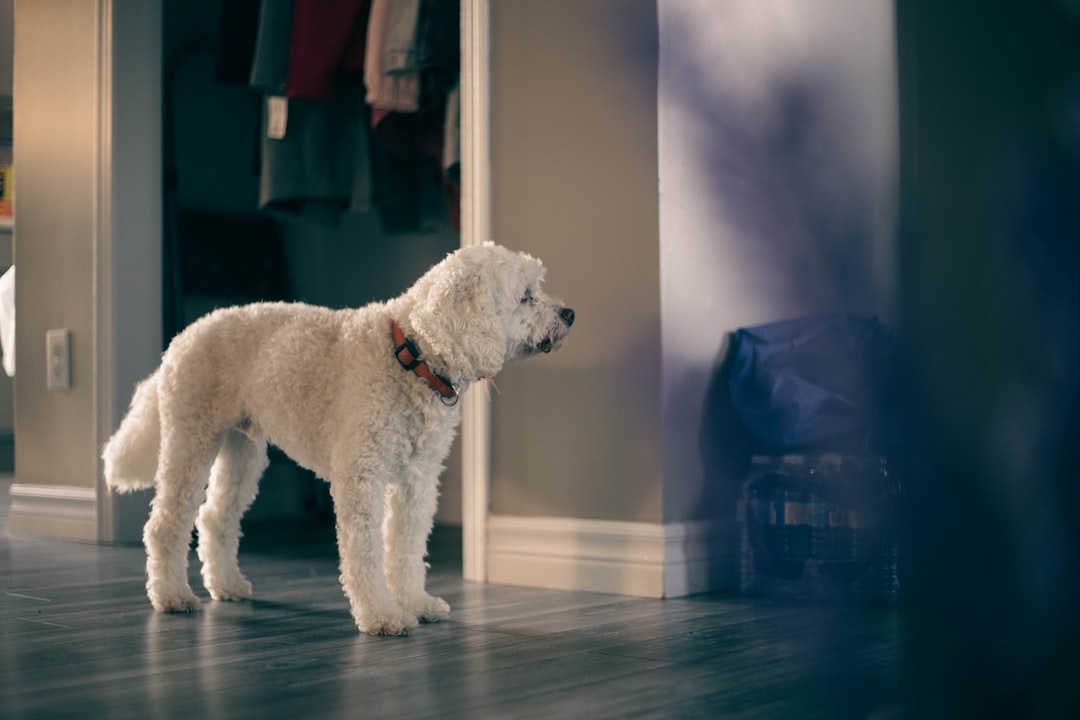
Smart home devices and pets coexist in the same household, but not always peacefully. Robot vacuums get wheels stuck on pet hair. Amazon Echo devices get chewed by puppies. Smart thermostats get bumped off by cats. Smart bulbs get pushed off shelves. A well-designed pet household protects both the pets and the smart devices. This article is the practical guide to pet-proofing a smart home, written from Hefei, China, by Eviehome (Hefei Ecologie Vie Home Technology Co., Ltd.).
The 5 categories of pet-device conflict
- Chewing: puppies chew on cables, remotes, and device housings
- Knocking over: cats push objects off shelves and counters
- Scratching: cats scratch surfaces, including device housings
- Fouling: pet fur, dander, and occasional urine damage electronics
- Interference with sensors: motion sensors triggered by pets, microphones confused by pet noises
Each conflict has solutions.
Protecting cables and cords
Chewed cables are the #1 risk, especially with puppies and young cats.
- Cable sleeves: plastic or fabric sleeves cover exposed cables. USD 5 to 15 per cable.
- Cable raceways: wall-mounted channels that hide cables along baseboards. USD 15 to 30 per meter.
- Cord concealers: floor cord covers for cables that cross rooms.
- Bitter apple spray: taste deterrent applied to cables. Harmless, reasonably effective.
- Redirect to chew toys: give the pet acceptable chewing alternatives.
- Unplug when not in use: for devices that are not always needed.
If a cable is chewed and exposed, replace it immediately. Exposed wires are a fire risk and electrocution risk to pets.
Securing devices on shelves and counters
Cats push things off elevated surfaces. Solutions:
- Museum putty or poster putty: temporary adhesive that holds devices in place without damage
- Velcro adhesive strips: stronger hold, easy to remove
- 3M Command strips: adhesive mounts for lightweight devices
- Wall or ceiling mounts: for cameras and sensors that cats cannot reach
- Bookshelf fronts: a small lip or clear plastic front prevents knocking off
Amazon Echo, Google Nest devices, and similar should be mounted or weighted down in multi-cat households.
Pet hair and dust in devices
Pet hair clogs intakes, fans, and moving parts in smart home devices.
Robot vacuums (the biggest victim)
- Choose a robot vacuum with tangle-free brushes or bristleless brushes
- Clean the brushes weekly in pet households
- Empty the dust bin daily, not weekly
- Clean the sensor windows weekly (hair coats them and causes navigation issues)
- Choose models with self-emptying bases for convenience
Top pet-friendly robot vacuums: iRobot Roomba j7+, Roborock Qrevo, Eufy RoboVac X10 Pro.
Air purifiers
- Clean or replace the pre-filter monthly
- Replace HEPA filters on schedule (typically every 6 months in pet households)
- Vacuum the intake grill regularly
Smart thermostats and control panels
- Wipe the screen and housing weekly
- Pay attention to the optical sensors
- Motion sensors should not trigger on pets (configure pet-friendly mode if available)
Motion sensors and pets
Pet motion triggers smart home alerts unnecessarily:
- Security camera motion detection: configure pet detection to ignore pets (most modern cameras have this)
- Motion-activated lights: raise the sensor height or use pet-immune PIR sensors
- Alarm system sensors: use pet-immune sensors rated for pet weight (typically under 35 kg)
- Smart doorbell: configure motion zones to ignore indoor pet movement
Without pet-friendly configuration, motion sensors generate hundreds of false alerts per day and get ignored.
Microphones and voice assistants
Pet noises can accidentally trigger voice assistants. Solutions:
- Choose “wake word” detection with low false positive rate: Alexa and Google are better than Siri for this
- Mute microphones during key times: most devices have a physical mute button
- Place devices away from pet areas: not next to the cat bed or dog crate
- Disable “tap to talk”: pets can accidentally tap touch-enabled devices
Smart plugs and outlets
Smart plugs control devices remotely. Pet-specific uses:
- Pet fountain: turn off for cleaning remotely
- Aquarium: schedule lights and filters
- Heat lamp or heating pad: schedule safely with automatic shut-off
- Pet cameras without built-in scheduling: power cycle via smart plug
Choose smart plugs rated for the device’s power draw and with overload protection.
Robot vacuums and pet waste
The infamous “pet poop smearing” incident where a robot vacuum runs over a pet accident and spreads it across the house. Prevention:
- AI obstacle avoidance: premium robot vacuums detect pet waste and avoid it. iRobot j7+ has “POOPDetect” marketing for this.
- Schedule runs during supervised hours: not while sleeping or away
- Keep the litter box area clean: do not let the cat spread litter far from the box
- No-go zones: create virtual walls around the litter box area
Smart locks and pet doors
- Microchip pet doors: allow only specific pets to pass through
- Smart locks for human doors: separate from pet doors, allow owners remote unlock
- Integration: trigger notifications when the pet door activates, logging pet exits and entries
Pet-safe cleaning routine for smart devices
Monthly cleaning:
- Wipe all device surfaces with a dry microfiber cloth
- Vacuum around devices and inside accessible intakes
- Clean optical sensors on cameras, motion detectors, thermostats
- Replace robot vacuum dust bags and empty bins
- Replace air purifier filters on schedule
- Check all cables for damage or chewing
Never use water or liquid cleaners on electronic devices. Use dry or slightly damp microfiber.
Designing a pet-friendly smart home from scratch
If you are planning a new smart home in a pet household, design with pets in mind:
- Choose wall-mounted or ceiling-mounted devices over shelf-mounted
- Run cables inside walls or behind furniture
- Use PoE (Power over Ethernet) cameras to reduce the number of wall plugs
- Place voice assistants at heights cats cannot reach
- Add pet-friendly smart products (automatic litter box, smart feeder, pet camera)
- Create no-go zones for robot vacuum around litter boxes and feeding stations
Frequently asked questions
Is it safe for pets to live with constant WiFi and smart home devices?
Yes. Consumer electronics emit RF at levels far below any scientific concerns for pet or human health. Millions of pet households live with smart home devices without issues.
What is the most common pet-device incident?
Cable chewing by puppies, followed by cats knocking over shelf-mounted devices. Both are preventable with basic precautions.
Does Eviehome design smart pet products that integrate with smart homes?
Yes. Our smart pet products support Alexa, Google Home, and standard smart home platforms through Tuya integration. Contact Ryan Lau for smart home integration specifications.
About Eviehome
Eviehome designs smart pet products that integrate smoothly with existing smart home ecosystems. Based in Hefei, China since 2014.
Contact Ryan Lau at ryanlau@eviehometech.com, on WhatsApp at +86 199 5653 0913, or use the contact form.