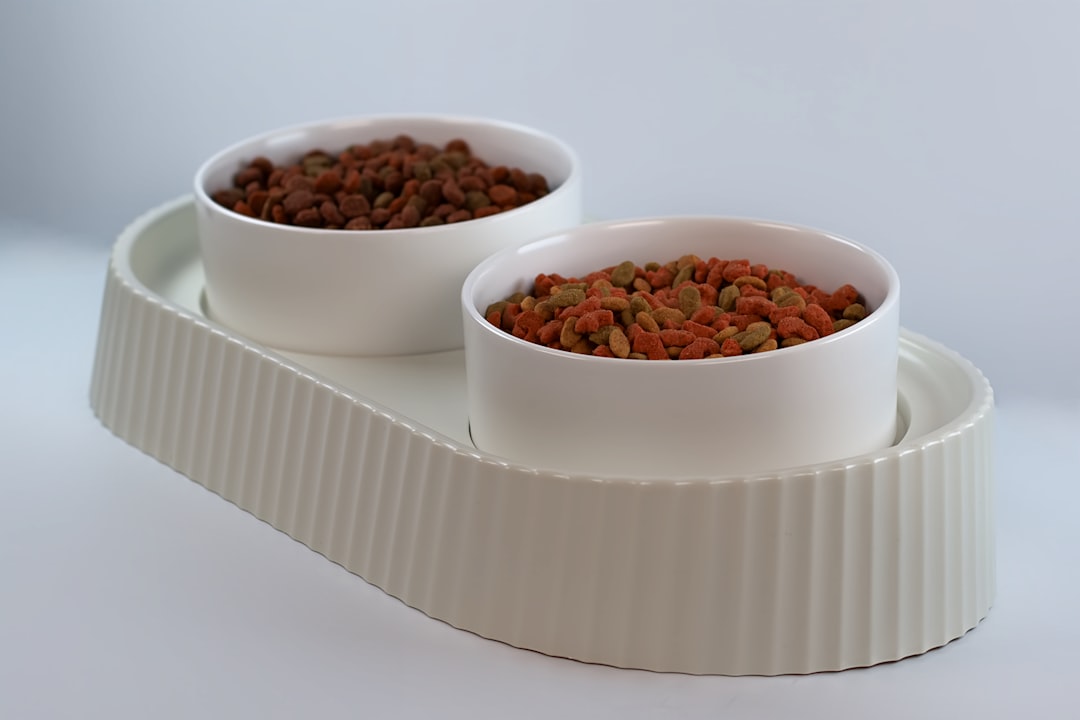
Multi-pet households face a specific feeding challenge: different pets need different amounts of food, different diets, and different feeding schedules, all in the same household. A single feeder does not solve this. A multi-pet smart feeding station is a combination of products and processes that lets each pet eat the right food at the right time without interference. This article explains how to design and operate a multi-pet feeding station, written from Hefei, China, by Eviehome (Hefei Ecologie Vie Home Technology Co., Ltd.).
The multi-pet feeding problem
Common issues in multi-pet households:
- Food theft: one pet eats the other’s food
- Portion chaos: it becomes unclear who ate what and how much
- Diet mismatch: one pet needs prescription diet, another needs different food
- Feeding time conflict: pets compete or bully each other at meal time
- Weight management failure: overweight pet keeps eating, underweight pet loses food
- Medication timing: pet needing medication in food cannot be relied on to eat their portion
A smart feeding station solves these one by one.
Option 1: Microchip-activated feeders (the gold standard)
A microchip-activated feeder opens only for a specific pet identified by their implanted microchip. Other pets cannot access the food.
How it works
- Each pet has a standard 15-digit FDX-B microchip (most pets are already chipped by the vet)
- The feeder has an RFID reader that detects the chip when the pet approaches
- The feeder lid opens only for registered chip IDs
- Non-registered pets cannot access the food
Products
- SureFeed Microchip Pet Feeder (Sure Petcare): the category leader, USD 149 to 199
- SureFeed Connect: adds WiFi and app integration, USD 199 to 249
- PetSafe Deluxe Pet Feeder: alternative microchip option
Pros
- Works with existing pet microchips (no additional collar or tag)
- Reliable pet identification
- Complete food theft prevention
- Can have 1 feeder per pet or shared feeders with multi-pet registration
Cons
- Expensive per unit (USD 149 to 249)
- Smaller food capacity than shared feeders
- Only dispenses wet or dry food, not scheduled portioning from a large hopper
Option 2: Dedicated feeder per pet
The simplest approach: one smart feeder per pet, placed in separate locations.
How to make it work
- Place feeders in different rooms or at different heights to reduce cross-interference
- Feed pets at the same time so no one waits and steals from another
- Use different programmed schedules if diets differ
- Monitor via app to confirm each pet eats their own food
Pros
- Simpler than microchip feeders
- Full hopper capacity per feeder
- Different diets supported easily
- Works well for cats who are territorial about their food area
Cons
- Multiple feeders to maintain and clean
- Food theft still possible if pets are in the same room
- Takes more floor space
- More expensive in total (2 or 3 feeders)
Option 3: Scheduled separation
Feed pets in separate rooms at the same time. Close doors during meals. Open after everyone finishes.
How to make it work
- Establish consistent meal times
- Train pets to go to their designated feeding room
- Close doors for 10 to 20 minutes during the meal
- Open after the fast eater finishes and you can verify everyone ate their portion
This approach does not require smart feeders but benefits from them for automated portioning and notification.
Option 4: Interactive separation (smart home)
Advanced setup combining smart pet doors and smart feeders:
- Smart pet door opens only for a specific pet (e.g., microchip pet door)
- Smart feeder in a separate “feeding room” or closet behind the door
- Only the authorized pet can enter and eat
- Other pets cannot access
This is expensive to set up (USD 400 to 600 total) but works well for challenging multi-pet situations.
Setting up the feeding station
Step 1: Assess the household
- How many pets?
- Same species or mixed?
- Do they have different diets?
- Does one pet bully the others?
- Is weight management needed for anyone?
- Are any pets on medication?
Step 2: Choose the right approach
- 2 cats, same diet, no bullying: 2 dedicated feeders, same schedule
- 2 cats, different diets, one needs prescription: microchip feeder for the prescription cat, normal feeder for the other
- 3+ cats, complex: microchip feeders for each pet that needs them, monitoring via app
- 1 cat + 1 dog: separate feeding rooms, different schedules
- Multiple dogs, same food, same portion: one large shared feeder with supervised feeding
Step 3: Set up the physical locations
- Feeders should be in calm, quiet areas away from foot traffic
- Each pet should have easy access to their designated feeder
- Water should be nearby but not directly next to food (some cats prefer separation)
- Keep litter boxes far from food areas
Step 4: Configure the schedules
- Use the same meal time for all pets (reduces bullying and anxiety)
- Set portion sizes based on each pet’s daily calorie needs
- Schedule 2 to 4 meals per day depending on pet needs
- Set up notifications for missed meals or low food alerts
Step 5: Monitor and adjust
- Watch the first few feedings to confirm the system works
- Check the app logs to verify each pet eats their portion
- Weigh pets monthly to verify the setup maintains healthy weight
- Adjust portions based on results
Multi-pet water stations
Water is usually less contested than food but worth considering:
- One water fountain per 2 to 3 cats in multi-cat households
- Separate water bowls in different rooms reduces competition
- Monitor total water intake across all sources
Monitoring pet-specific eating
For households needing detailed tracking:
- Weight-sensing feeders: detect which pet is using the feeder based on body weight
- Camera-equipped feeders: visual identification of the eating pet
- Microchip logging: microchip feeders log who ate when and how much
This data is valuable for detecting early health issues: a pet who suddenly eats less may be ill before other symptoms appear.
Common mistakes
- Assuming a single smart feeder can serve multiple pets
- Not accounting for food theft in mixed-pet households
- Not feeding at consistent times
- Ignoring app data that would reveal feeding problems
- Using the same feeder for pets with different portion sizes without separation
Frequently asked questions
How many microchip feeders do I need for 3 cats?
Usually 2 to 3 (one per cat, or one per cat that needs a special diet). Cats can share the same feeder if their chips are all registered and their diets are similar.
What if my pets are not microchipped?
Get them chipped. It is a simple vet procedure (USD 45 to 75) and is beneficial beyond the feeder use case (lost pet recovery).
Does Eviehome make microchip feeders?
Not currently. We make standard smart feeders and can refer multi-pet customers to microchip feeder factories through Ryan Lau.
About Eviehome
Eviehome manufactures standard smart pet feeders and supports multi-pet households with multiple-feeder configurations. Based in Hefei, China since 2014.
Contact Ryan Lau at ryanlau@eviehometech.com, on WhatsApp at +86 199 5653 0913, or use the contact form.