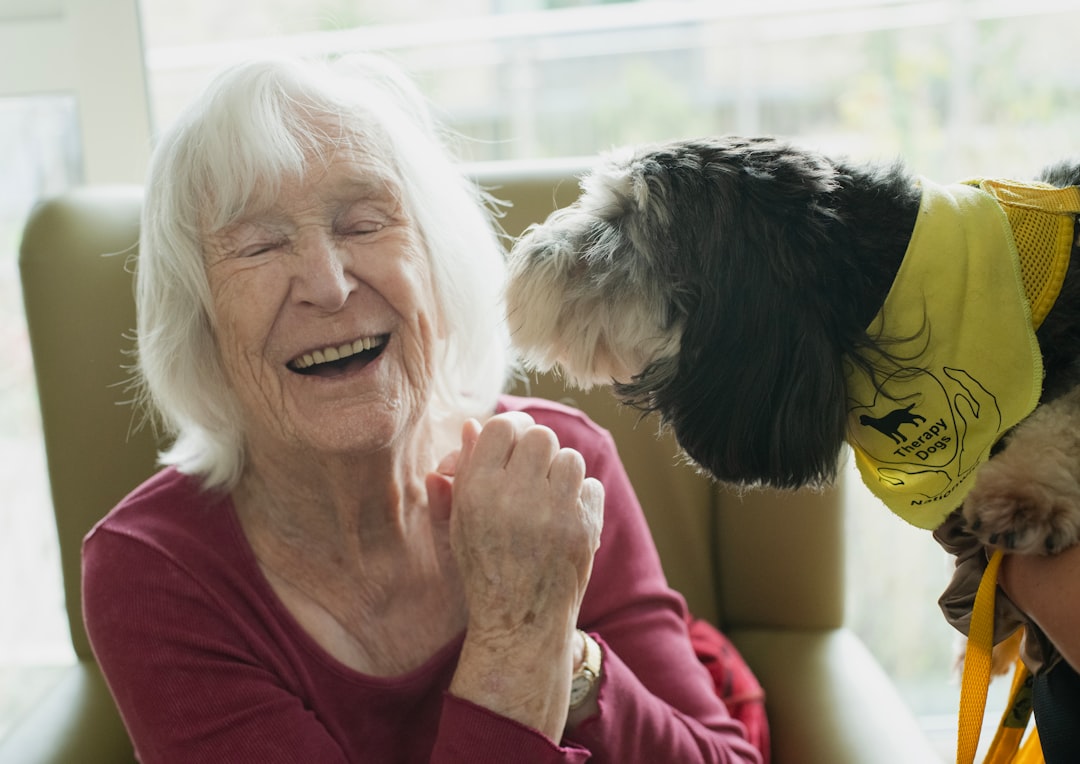
Elderly pet owners are a growing segment of the smart pet product market. Retirees with pets face specific challenges: mobility limitations, difficulty lifting heavy items, vision changes, and sometimes complex technology fatigue. Smart pet products can dramatically improve their quality of life with their pets when designed with accessibility in mind. For B2B buyers targeting this segment or designing accessible products, this article explains what elderly pet owners actually need. Written from Hefei, China, by Eviehome (Hefei Ecologie Vie Home Technology Co., Ltd.).
Why the elderly segment matters
Key statistics:
- US population 65+: 56 million in 2024, projected 73 million by 2030
- Pet ownership among seniors: 55 percent of US adults 65+ own a pet
- Fastest-growing pet-owning demographic: adults 65 to 75
- Pet spending by seniors: USD 1 400 to 1 800 per year per pet, comparable to millennials
- Smart pet product adoption: 12 percent of senior pet owners in 2024, growing 15 percent per year
The segment is large, growing, and willing to spend on products that make pet care easier.
What elderly owners need from smart pet products
1. Physical accessibility
- Easy to lift and move: heavy automatic litter boxes (15+ kg) are difficult for owners with mobility limitations
- Low bending required: products at waist height are easier than floor-level
- Easy to open and clean: no tight screws, complex latches, or hidden compartments
- Light consumable containers: large litter bags, heavy food bags are problematic. Smaller, lighter packaging helps.
2. Simple technology
- Large, clear buttons: physical buttons with clear labels beat touch screens for seniors with arthritis or vision issues
- Minimal app dependency: critical functions should work without an app. Seniors without smartphones should still be able to use the product.
- Simple mobile apps: if an app is used, it must be simple. No complex menus, no surprise interactions, no required updates every week.
- Clear indicators: LED status lights that clearly show on/off, ready/error, without cryptic codes
- Audible confirmations: beeps or voice confirmations help seniors with vision issues
3. Reliable operation
- Low failure rate: troubleshooting is harder for seniors. Products must “just work”.
- Predictable behavior: firmware updates that change behavior surprise and confuse senior users
- Easy customer support: phone support beats chat support for most seniors
- Written manuals, not online only: many seniors prefer paper manuals over digital
4. Accessible purchasing and ongoing support
- Phone ordering available: not all seniors are comfortable with online checkout
- Clear pricing, no subscriptions: confusing subscription charges create stress
- Easy returns: if the product does not work, easy return without restocking fees
- Replacement parts easy to order: by phone, not just online
Specific product recommendations for seniors
Automatic cat litter boxes
Seniors benefit from automatic litter boxes because scooping is physically demanding. Recommendations:
- Lightweight designs (under 10 kg)
- Front-loading waste drawer (no need to lift the top)
- Automatic cleaning on a simple schedule, no complex app
- Large physical buttons for manual operation
- Sealed waste drawer for odor control (many seniors have sensitive noses)
Smart pet feeders
Seniors who travel or have variable schedules benefit from automatic feeding:
- Simple programmable feeder (not necessarily WiFi)
- Large food hopper (less frequent refilling)
- Easy-to-read display with large text
- Simple portion and schedule setting
- Backup battery for power outages
Cat water fountains
Low-effort hydration for pets. Senior recommendations:
- Stainless steel bowl (easier to clean than ceramic, lighter than ceramic)
- Simple on/off operation
- Large water capacity (3+ liters) for less frequent refilling
- Visible water level indicator
Pet cameras (optional)
For seniors who worry about pets when they are out of the home:
- Simple setup with printed instructions
- Large view screen on phone app
- Simple two-way audio
- Phone support for troubleshooting
Automatic treat dispensers
Fun but low-priority for most seniors unless they want to interact with pets while away.
Products to avoid for seniors
- Complex multi-feature smart home integrated devices: too many settings and integrations
- Touch-screen-only interfaces: arthritic hands struggle with touch screens
- Subscription-heavy products: confusing billing and surprise charges
- Products requiring frequent firmware updates: firmware changes cause anxiety
- Heavy products that need two people to assemble
Caretaker integration
Many senior pet owners have family members or caretakers helping with pet care. Smart pet products can include “family sharing” features that let caretakers:
- Monitor pet care remotely from their own phones
- Receive alerts if the senior forgets to feed or the feeder jams
- Adjust settings if the senior is confused
- Order supplies and manage subscriptions on behalf of the senior
This is an underserved feature in current smart pet products and a real differentiation opportunity.
Health monitoring for elderly pets
Senior pet owners often have senior pets. Health monitoring features are especially valuable:
- Food intake tracking: alerts if the pet stops eating
- Water intake tracking: alerts if the pet stops drinking
- Litter box visit tracking: alerts if frequency or duration changes (can indicate urinary issues)
- Weight tracking: sudden weight loss is a warning sign
- Activity tracking: reduced activity can indicate pain or illness
Make these alerts simple and clear: “Buddy has not eaten today” is clearer than “Activity level decreased 18 percent”.
Design principles for accessible pet products
- Keep it simple: fewer features, better execution
- Physical controls over apps: provide app as an option, not a requirement
- Large text, high contrast: seniors have vision changes
- Audible and visual feedback: confirmation of every action
- Easy physical access: front-loading, waist-height, no heavy lifting
- Reliability over features: the product must always work
- Phone support: human voice beats chatbot for seniors
Marketing to senior pet owners
Seniors respond to different marketing than millennials:
- Testimonials from peers: other senior pet owners talking about the product
- Traditional channels: Facebook, print ads, word of mouth, TV
- Clear benefit language: “Feed your cat automatically without bending down” beats abstract lifestyle marketing
- Trust signals: warranty, phone support, money-back guarantee
- Family recommendations: adult children often buy these products for their senior parents
Frequently asked questions
Do seniors actually adopt smart pet products?
Yes, especially when the products are designed with accessibility in mind. Adoption is slower than millennials but real and growing.
Should I design a separate product line for seniors?
Usually no. Instead, design products that work for all users including seniors. Universal design benefits everyone.
Does Eviehome offer accessible smart pet products?
Our automatic cat litter box line includes models with simple front-loading designs, physical controls, and clear status indicators. Contact Ryan Lau for accessibility-focused OEM options.
About Eviehome
Eviehome designs smart pet products with accessibility in mind, including models suitable for senior pet owners. Based in Hefei, China since 2014.
Contact Ryan Lau at ryanlau@eviehometech.com, on WhatsApp at +86 199 5653 0913, or use the contact form.