Smart Vending Payments, Telemetry and Cybersecurity Checklist
Smart vending cybersecurity decisions should begin with the project owner's use case,…

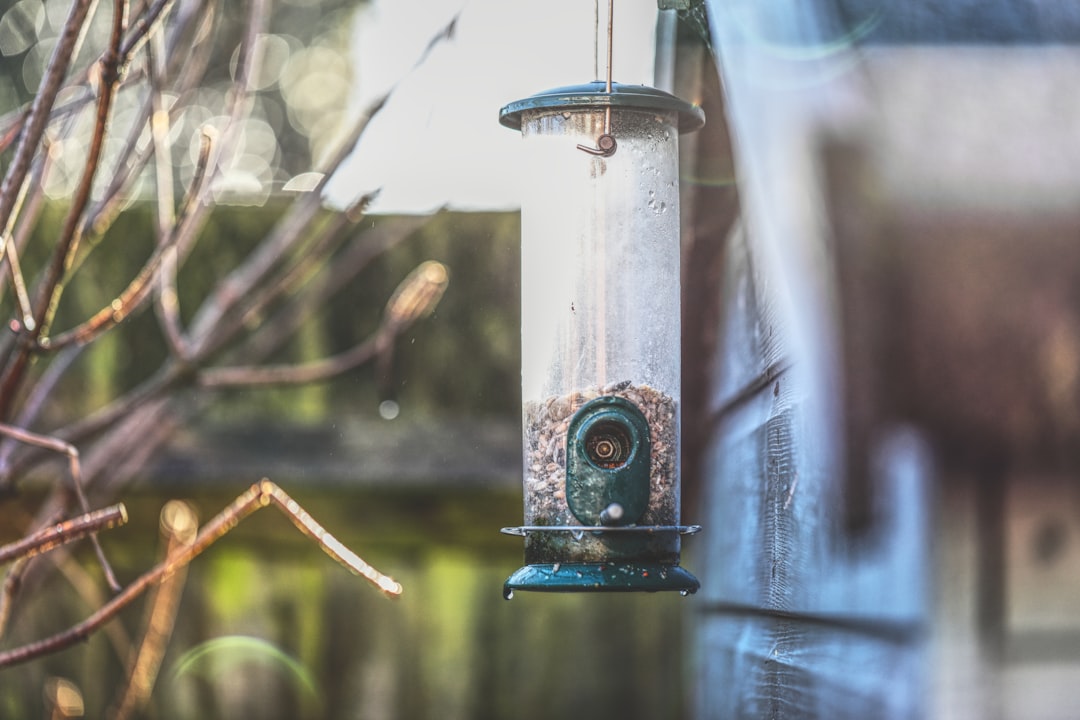
Smart bird feeders with built-in cameras are the fastest-growing sub-category in the broader smart pet and wildlife accessories market in 2026. The category barely existed in 2020 and crossed USD 100 million globally in 2024 with 40 percent year-over-year growth, driven almost entirely by Bird Buddy (a Slovenian startup that raised USD 25M on Kickstarter in 2020), Birdfy (Netvue, a Chinese brand) and a handful of Chinese OEM factories. For a B2B buyer looking for an emerging category with low competition and strong margins, smart bird feeders deserve serious attention. Written from Hefei, China, by Eviehome (Hefei Ecologie Vie Home Technology Co., Ltd.).
A smart bird feeder is an outdoor bird feeder with a built-in WiFi camera that records video every time a bird lands on the feeder. AI-based bird species recognition identifies the bird. The owner gets a notification on their phone with a photo or clip, plus a running log of species seen in their backyard. Premium models add solar panels, microphones for bird song, and integration with eBird (the global birdwatching database).
Three structural drivers:
A typical smart bird feeder has:
| Tier | Retail | Features |
|---|---|---|
| Entry | USD 79 to 129 | 1080p camera, WiFi, battery only, basic AI recognition |
| Mid-range | USD 129 to 189 | 1080p or 2K, solar panel option, premium AI recognition, app community |
| Premium | USD 189 to 259 | 2K + night vision, integrated solar, eBird integration, subscription tier |
Most smart bird feeder brands offer a freemium model:
Subscription attach rate is around 30 to 40 percent of hardware buyers, lower than GPS pet trackers (which are useless without subscription) but still meaningful. Annual recurring revenue: USD 36 to 72 per active subscriber.
The category is still young enough that a new brand with clear positioning can win. The key differentiators are: build quality, AI accuracy, app community features, and integration with existing birdwatching ecosystems.
There are 8 to 12 Chinese factories producing smart bird feeders in 2026. Most are in Shenzhen and the Pearl River Delta. MOQ typically 500 to 1000 units. FOB cost: USD 28 to 45 for entry, USD 42 to 65 for mid-range, USD 55 to 85 for premium with solar and 2K camera.
Custom features (logo molding, unique color, brand-specific app) add USD 3 to 10 per unit. A new private-label brand can launch with a 500-unit order at around USD 18 000 FOB, plus USD 8 000 for packaging, photography, and initial marketing.
Gifting is a major channel: smart bird feeders are a popular gift for grandparents and nature lovers. Plan Q4 inventory for the holiday season accordingly.
Smart bird feeders peak in Q4 (Christmas gifting) and Q2 (spring birdwatching season). Summer and winter are lower. Factor this into inventory planning: order 60 percent of annual volume for Q4 delivery, 25 percent for Q2 delivery, 15 percent for off-season.
Premium brands (Bird Buddy, Birdfy) claim 90+ percent accuracy on 1000+ species. Real-world accuracy is closer to 80 to 85 percent for common species, lower for rare or juvenile birds. Accuracy improves over time as the model trains on more data.
Yes, lithium batteries drop capacity below 0 degrees Celsius. Premium models use low-temperature-rated batteries or heated enclosures for cold climates. Specify cold-weather capability if targeting Nordic or Canadian markets.
We are evaluating this category for 2026 but do not currently manufacture smart bird feeders. We can refer you to trusted factory partners through Ryan Lau.
Eviehome specializes in smart pet products (cat litter boxes, pet feeders, water fountains). We are actively monitoring adjacent smart wildlife categories like smart bird feeders. Based in Hefei, China since 2014. See our smart pet market overview 2026.
Contact Ryan Lau at ryanlau@eviehometech.com, on WhatsApp at +86 199 5653 0913, or use the contact form.