Smart Vending Payments, Telemetry and Cybersecurity Checklist
Smart vending cybersecurity decisions should begin with the project owner's use case,…

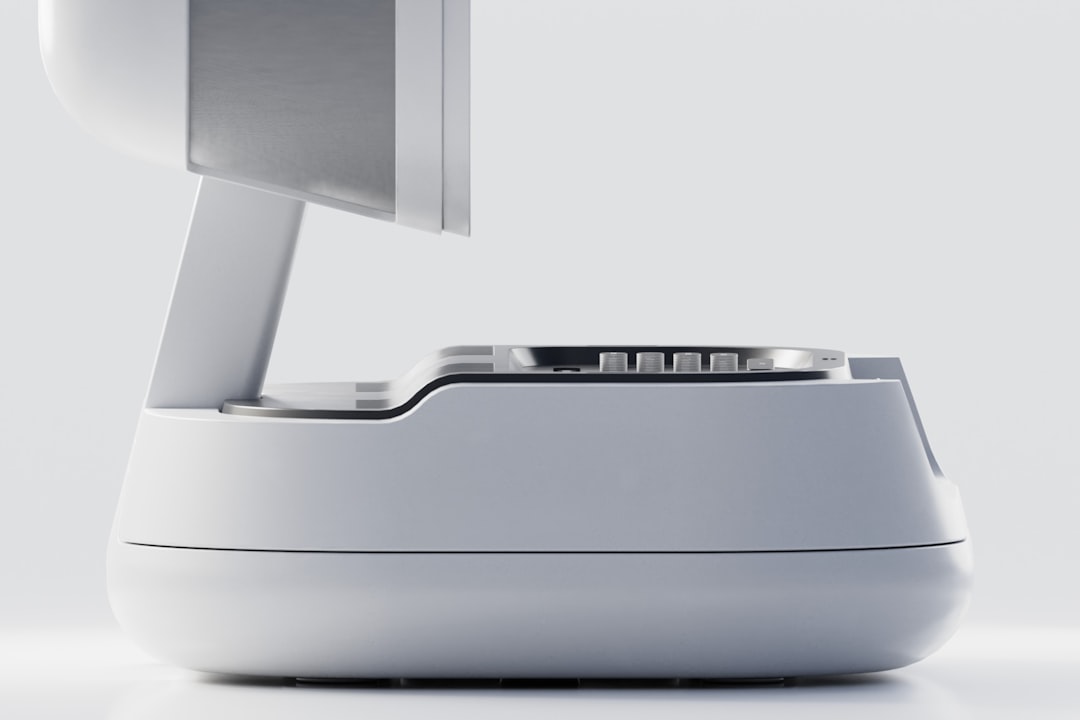
Cameras are the single most effective upsell in the smart pet feeder category. Adding a 1080p camera to a WiFi feeder moves the retail price from USD 129 to USD 199, a USD 70 upsell on a USD 12 component cost. Amazon data shows camera-equipped pet feeders grew 34 percent in 2024 vs 18 percent for non-camera smart feeders. For a B2B buyer, understanding the camera segment, its technical requirements and its unit economics is how you capture the premium end of the market. Written from Hefei, China, by Eviehome (Hefei Ecologie Vie Home Technology Co., Ltd.).
Pet cameras and pet feeders have overlapping buyer motivations: both are bought by owners who want to check on their pet during work hours. Before camera-equipped feeders, these owners bought a separate pet camera (USD 40 to 80) plus a pet feeder (USD 80 to 130) as two separate devices. A camera-equipped feeder combines them at a lower total price (USD 150 to 220) with less counter clutter and a single app.
The emotional hook is strong: “feed your cat and watch them eat it from your phone”. This is the single most shareable moment in the pet tech category, which is why camera-equipped feeders dominate the UGC and TikTok/Instagram pet content.
1080p (Full HD): the standard. Adequate for watching the pet eat in normal lighting. Adds USD 8 to 12 to unit cost over no-camera.
2K (1440p): premium. Visible detail improvement on tablet-sized screens. Adds USD 12 to 18 over 1080p. Marketed as “2K HD” on Amazon listings.
4K: overkill for pet feeders. Bandwidth and storage requirements are heavy. Most buyers cannot tell the difference on a phone screen. Skip.
120 to 160 degrees is the sweet spot. The camera needs to capture the bowl area plus enough of the room to see the pet approach. Below 120 degrees, the pet is often out of frame. Above 160 degrees, fisheye distortion becomes noticeable and unsightly.
IR LEDs (infrared) give black-and-white night vision. Essential because pets drink water and eat snacks at night. Every camera-equipped feeder should have IR night vision. Adds USD 1 to 2 per unit.
Microphone + speaker for the owner to talk to the pet. The feature is used by 70 percent of dog-feeder buyers and 30 percent of cat-feeder buyers. Adds USD 3 to 5 per unit. Essential on premium dog feeders.
SD card (local): 32 to 128 GB slot. Owner owns the footage. No recurring cloud fees. Preferred by privacy-conscious buyers. Cost: USD 1 for the SD card slot hardware.
Cloud storage (subscription): free tier for 1 to 3 days of history, paid tier for 7 to 30 days. Owner pays USD 2 to 5 per month. Brand collects recurring revenue.
Most premium feeders offer BOTH: SD card for free continuous recording + cloud tier for event clips and remote access. The dual approach satisfies both buyer segments.
Pet cameras are indoor cameras. They can incidentally record the owner, visitors, children. This raises privacy concerns:
For an EU or US brand sourcing from China, clarifying these points with the factory upfront is essential. Tuya and AWS-based cloud infrastructure (available from Chinese factories) is more trusted in Western markets than proprietary Chinese cloud.
Here is a realistic unit economics breakdown for a 1080p camera-equipped WiFi cat feeder at USD 199 retail:
| Line item | USD |
|---|---|
| Factory FOB (500 units, OEM) | 42 |
| Sea freight + duties (USD 199 retail, US) | 10 |
| Landed cost | 52 |
| Amazon commission (15%) | 30 |
| Amazon FBA fulfillment | 12 |
| PPC advertising (target 20% ACOS) | 40 |
| Total COGS + fees | 134 |
| Net margin per unit | 65 (33%) |
A 33 percent net margin on a USD 199 feeder is healthy for an Amazon brand. Add cloud subscription revenue (USD 3/month average across 40 percent of buyers = USD 14 annual recurring per unit) and the lifetime margin grows substantially.
Camera-equipped feeders require more design attention than non-camera feeders:
No. Each feeder has its own camera aimed at its own bowl. The buyer with 3 cats and 3 feeders buys 3 cameras. This is actually good for unit economics: the camera upsell multiplies by the number of pets.
Most use OmniVision OV5647 (5MP) or OV2710 (2MP) sensors with SigmaStar or Anyka SoCs. These are reliable, well-supported, and have mature firmware stacks (Tuya-compatible).
Yes, both. Our premium line includes 1080p and 2K camera options with IR night vision, two-way audio on dog feeders, and SD card + Tuya cloud dual storage. Contact Ryan Lau for the spec sheet.
Eviehome manufactures camera-equipped smart pet feeders with Tuya cloud and local SD storage. Based in Hefei, China since 2014. See our WiFi pet feeders 2026 features article and our smart pet feeders wholesale buyer’s guide.
Contact Ryan Lau at ryanlau@eviehometech.com, on WhatsApp at +86 199 5653 0913, or use the contact form.