Smart Vending Payments, Telemetry and Cybersecurity Checklist
Smart vending cybersecurity decisions should begin with the project owner's use case,…

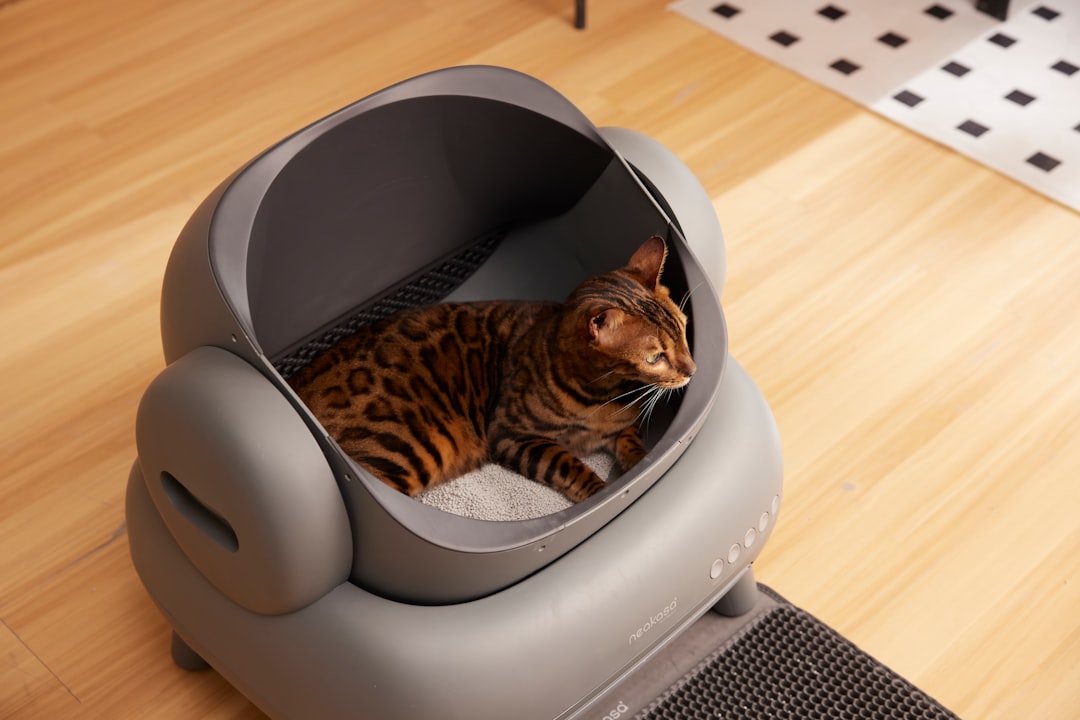
If you run a pet supplies retail store (brick and mortar, online, or both) and you want to stock automatic cat litter boxes, the question is not “should I stock them” but “which ones”. The wrong selection eats shelf space and dies at clearance. The right selection drives double-digit year-over-year category growth and pulls through consumable revenue for years. This article gives you the specific selection criteria we recommend at Eviehome (Hefei Ecologie Vie Home Technology Co., Ltd., based in Hefei, China) based on what works in physical pet retail across the US, EU and Australia markets.
Urban apartment single-cat household shopping for convenience? Multi-cat household in a suburban home? Premium pet parent willing to spend USD 500+? The customer profile determines which price tier fits. A store serving budget-conscious first-time cat owners should NOT stock the USD 599 Litter Robot. A premium urban store should NOT stock a USD 99 crystal litter box.
Automatic cat litter boxes are big. A single unit takes 60 to 80 cm of shelf width and 60 to 90 cm of depth. Most stores can only display 2 to 4 models physically. Pick your 2 to 4 most confident SKUs and rotate the rest on a “order in store, ship to home” model.
Automatic cat litter boxes sell 1 to 5 units per week per store in an average pet supplies retail location, higher in premium urban locations. Calculate your inventory based on this: 4 units per week x 6 weeks of safety stock = 24 units on hand. This tells you whether a USD 85 FOB unit cost is financeable at your scale.
Automatic cat litter boxes sell significantly better when the customer can see the cleaning cycle in action. If you have a demo unit plugged in and running a cycle every 30 minutes, your conversion rate on interested shoppers doubles. Budget for a demo unit (not for sale, kept on the shelf powered on).
Automatic cat litter boxes have a higher return rate than passive pet products (5 to 10 percent typically). Make sure your return policy and your supplier’s warranty terms are aligned. Eviehome offers a 2 percent spare parts buffer to retail partners at no extra cost to handle field warranty without re-ordering full units.
Based on what works across multiple retail formats, here is the minimum viable assortment for an independent pet retailer entering the category:
For larger retailers (pet specialty chains, big box), add a 4th premium flushing SKU at USD 699+ for the specialty premium segment.
For a retail buyer, the supplier criteria are slightly different from a private-label B2B brand:
Chinese OEM factories (including Eviehome) can provide most of these to serious retail partners on request, but it needs to be agreed upfront in the commercial terms.
A typical retail margin on an automatic cat litter box is 35 to 50 percent off the MSRP. Your wholesale cost from a distributor or direct from a factory is 50 to 65 percent of MSRP. Example:
Stocking 3 SKUs at 4 to 8 units each is USD 3 000 to USD 10 000 of inventory investment. At 10 units sold per month across the category, you break even in 3 to 4 months and are net profitable from month 5.
Start with 2 SKUs (entry rake + mid-range drum). Add a 3rd (premium drum) after 6 months of velocity data. Avoid stocking 5+ SKUs in the category unless you are a premium pet specialty store.
For retailers moving less than 50 units per year per SKU, go through a local distributor who handles duties, customs and warranty returns. Above that volume, direct from China (with a customs broker) becomes more profitable.
55 to 65 percent gross margin after landed cost on mid-range drum boxes. Significantly better than buying through a US distributor at 35 to 45 percent. The trade-off is that you handle MOQ, inventory, warranty and import logistics yourself.
Eviehome supplies retail-ready automatic cat litter boxes with MAP policies, sales training materials and warranty handling support to qualified retail partners. Based in Hefei, China since 2014. See our definitive B2B buyer’s guide and our wholesale pricing and margins article.
Contact Ryan Lau at ryanlau@eviehometech.com, on WhatsApp at +86 199 5653 0913, or use the contact form.