Smart Vending Payments, Telemetry and Cybersecurity Checklist
Smart vending cybersecurity decisions should begin with the project owner's use case,…

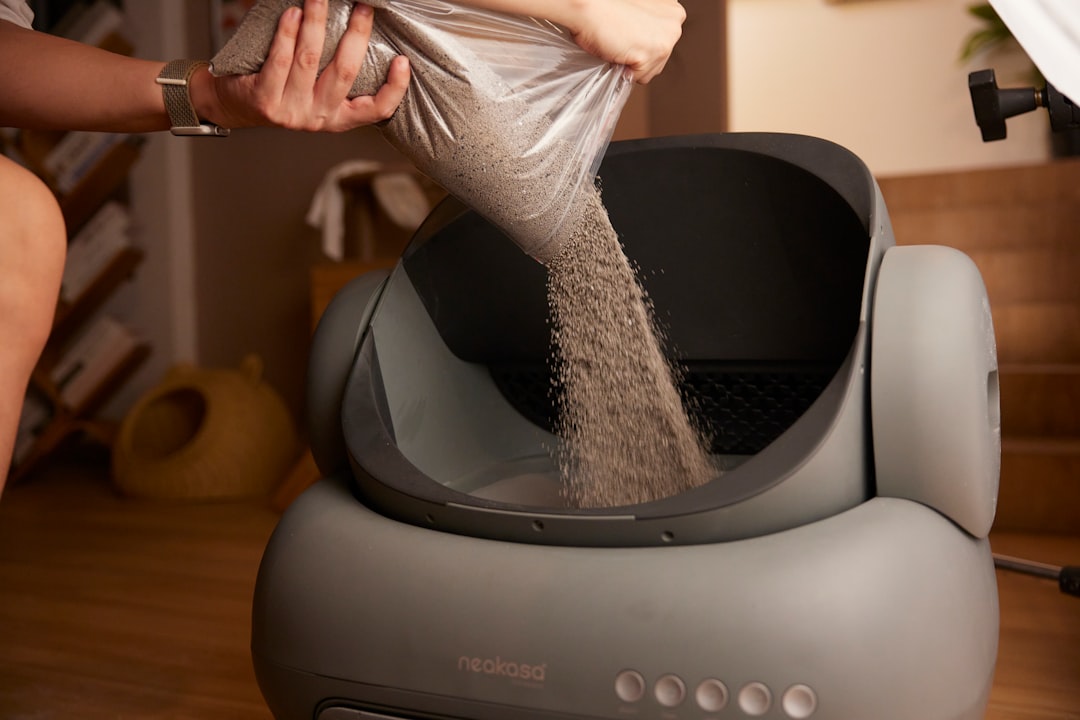
Automatic litter boxes are picky about litter. The wrong type jams the rake, clogs the rotation mechanism, creates dust problems, or simply fails to clump properly. The right type extends the lifespan of the unit, produces cleaner results, and gives the cat a pleasant experience. For cat owners buying their first automatic litter box, this is the most common post-purchase question, and getting it wrong is the #1 reason for bad Amazon reviews. Written from Hefei, China, by Eviehome (Hefei Ecologie Vie Home Technology Co., Ltd.).
Manual litter boxes tolerate any litter: you scoop it, problem solved. Automatic litter boxes have mechanical and sensor systems that interact with the litter. The litter must:
Different mechanism types have different litter preferences.
Bentonite clay that clumps when wet. The most common type for automatic litter boxes.
Pros: proven compatibility, strong clumping, affordable, widely available, cats accept it readily.
Cons: dusty (bad for cats and owners with respiratory issues), heavy, not biodegradable, mining environmental impact.
Best for: most rotation-based automatic litter boxes (Litter-Robot, Petkit Pura MAX, Leo’s Loo).
Recommended brands: Dr. Elsey’s Ultra, Tidy Cats Instant Action, Arm & Hammer Clump & Seal.
Silica-based crystals that absorb urine without clumping.
Pros: low dust, lightweight, long-lasting, excellent odor control.
Cons: does not clump (incompatible with most automatic litter boxes that rely on clumping for waste removal), sharp texture (some cats dislike it).
Best for: only litter boxes designed for crystal litter (a specific niche), not clumping-based automatic boxes.
Made from corn, wheat, pine, walnut, grass, or tofu.
Pros: clumps well, biodegradable, flushable, low dust, sustainable.
Cons: more expensive, lighter clumps can break in rotation mechanisms, can attract pantry moths in large quantities.
Best for: Litter-Robot and similar rotation boxes. Not recommended for rake-based boxes due to weaker clumping.
Pros: clumps, biodegradable, flushable.
Cons: similar to corn, weaker clumping than clay.
Pros: low dust, natural pine scent, biodegradable.
Cons: pellet form (non-clumping), incompatible with most automatic litter boxes.
Pros: biodegradable, flushable, low dust, natural.
Cons: expensive, variable clumping quality by brand, limited availability.
Emerging as a premium option for automatic litter boxes in 2025 to 2026.
Automatic litter boxes work best with specific particle sizes:
Check the spec sheet of your specific automatic litter box for recommended particle size.
Dust is the most common user complaint about automatic litter boxes. Sources of dust:
Mitigation:
Different litters handle odor differently:
For automatic litter boxes, clumping clay with odor control additives is the safe default.
Recommends premium clumping clay. Works with: Dr. Elsey’s Ultra, Arm & Hammer Clump & Seal, Tidy Cats Instant Action. Compatible with some corn-based litters but rotation mechanism works best with clay.
Similar to Litter-Robot. Prefers fine-grain clumping clay. Avoid large-grain and crystal.
Works with clay, tolerates some tofu-based litters. Clumping litter essential.
Require specific litter types (often crystal for Scoopfree, clumping clay for LitterMaid). Check the manual.
Cats are sensitive to litter changes. To avoid rejection:
Some cats are more tolerant than others. Senior cats and cats with history of litter box aversion need slower transitions.
A single cat uses 10 to 15 pounds (4.5 to 7 kg) of clumping clay litter per month. A two-cat household uses 20 to 30 pounds. Factor in periodic full changes (every 4 to 8 weeks) that use more.
Buy in bulk to save: 40-pound bags cost 30 to 40 percent less per pound than small bags.
Yes, but some cats are sensitive to fragrances. If the cat avoids the box after adding scented litter, switch back to unscented.
Try a different clay brand or a more premium low-dust formula. Some cats prefer the texture of one brand over another. Experiment with 2 to 3 options.
We do not sell litter directly but we recommend specific brands for our automatic litter box product line and include compatibility guides in the user manual. Contact Ryan Lau for brand-specific recommendations.
Eviehome manufactures automatic cat litter boxes with clear litter compatibility guides. Based in Hefei, China since 2014. See our automatic cat litter box B2B buyers guide.
Contact Ryan Lau at ryanlau@eviehometech.com, on WhatsApp at +86 199 5653 0913, or use the contact form.