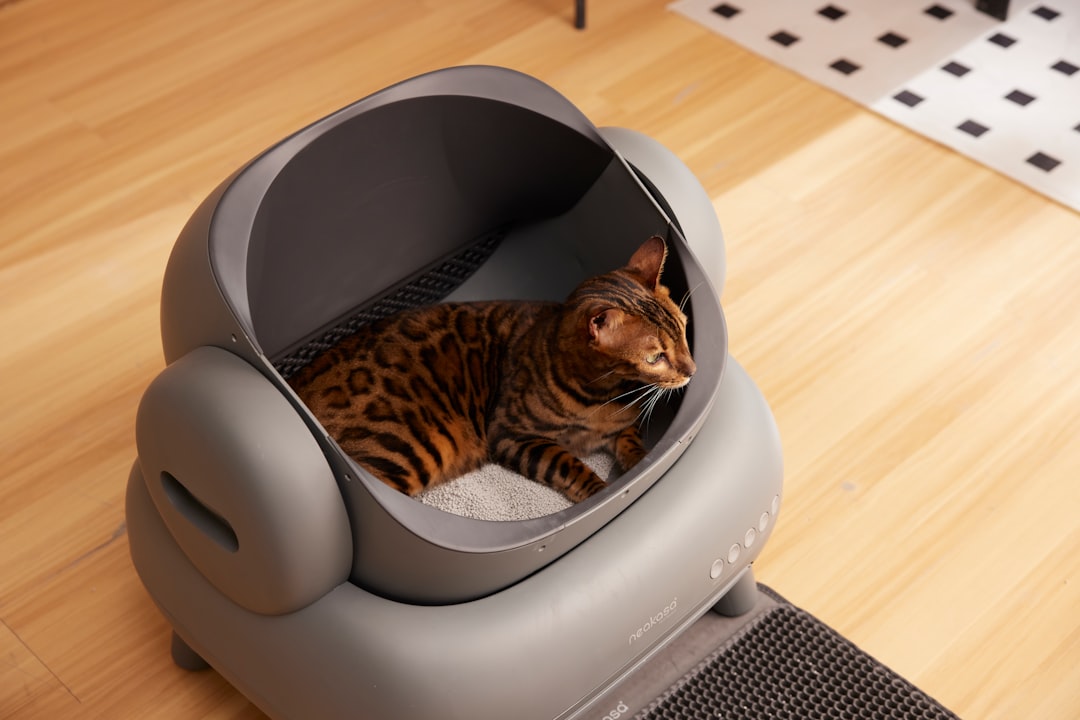
An automatic cat litter box is a machine that handles cat waste. It gets dirty. Neglecting maintenance causes odors, mechanical failures, sensor errors, and ultimately product death. Proper maintenance extends the unit’s life from 2 to 3 years (with neglect) to 6 to 10 years (with care). The maintenance schedule is not complex but must be followed consistently. This article covers the complete cleaning and maintenance routine for a typical rotation-based automatic cat litter box. Written from Hefei, China, by Eviehome (Hefei Ecologie Vie Home Technology Co., Ltd.).
Daily: quick visual check (1 minute)
- Verify the unit is running normally (no error lights)
- Check the waste drawer fill level
- Confirm the cat has used it (via app log or visual inspection)
- Note any unusual sounds during a cleaning cycle
Every 2 to 3 days: waste drawer emptying (2 minutes)
- Pull out the waste drawer.
- Tie off and dispose of the waste bag.
- Install a new waste bag.
- Slide the drawer back into place.
- Confirm the drawer is fully engaged (sensor check).
Frequency varies by cat count and cat size. Multi-cat households empty every 1 to 2 days.
Weekly: mid-cycle maintenance (5 to 10 minutes)
- Scoop or rake any visible debris from the litter surface.
- Top up the litter to the recommended level if low.
- Wipe the outside of the unit with a damp cloth.
- Check for any litter spilled around the base and vacuum if needed.
- Review app logs for any error messages or unusual usage patterns.
Every 4 to 6 weeks: full cleaning (30 to 60 minutes)
This is the deep clean that most owners skip and regret.
- Unplug the unit from power for safety.
- Empty all litter: remove the globe or rotation chamber and dump the litter into a garbage bag.
- Disassemble the cleanable parts: globe, waste drawer, cat entry ramp, any removable liners.
- Wash with warm water and mild dish soap: use a soft brush to remove residue. Avoid abrasive cleaners that can scratch plastic surfaces.
- Rinse thoroughly: soap residue irritates cats and can cause aversion.
- Dry completely: wet surfaces prevent new litter from clumping properly and promote mold.
- Wipe the main unit interior: where the globe sits, clean any dust or debris with a dry cloth. Do NOT use water on the motor housing.
- Check the sensors: wipe the optical sensors with a dry microfiber cloth. Dust on sensors is the #1 cause of false “cat inside” errors.
- Reassemble the unit.
- Refill with fresh litter.
- Power on and run a test cycle.
Quarterly: mechanical inspection (15 minutes)
- Listen to the motor during a cleaning cycle. Any grinding, clicking, or unusual sounds indicate wear.
- Check the rotation mechanism for smooth movement.
- Check the rake (if applicable) for bent or damaged tines.
- Inspect the rubber seals around the waste drawer for wear.
- Verify the motor housing is free of dust buildup.
- Check app logs for any recurring errors.
Annually: deep inspection and parts replacement (30 minutes)
Some parts wear out over time. Replace proactively:
- Carbon filter: replace every 6 to 12 months depending on model. Check the manufacturer recommendation.
- Rubber seals: replace if cracked or loose.
- Rake tines: replace if bent or broken.
- Waste drawer liners: replace annually even if still functional.
- Pump or motor: only if showing signs of failure.
Order these parts before you need them. Downtime without a functional litter box means the cat eliminates elsewhere.
Troubleshooting common issues
Unit stops mid-cycle
- Check if the cat is inside (safety sensor triggered)
- Check if litter is overfilled (mechanism jammed)
- Check for power interruption
- Verify the waste drawer is fully inserted
- Restart the unit
Error message “cat detected”
- Clean the weight sensor
- Check for items stuck on the entry ramp
- Verify the cat is not actually inside
- Recalibrate the weight sensor if available
Odor issues
- Empty the waste drawer more frequently
- Replace the carbon filter
- Do a full deep clean
- Check for urine leaks into the main unit
- Consider upgrading to a sealed waste drawer model
Motor making noise
- Check for debris in the motor mechanism
- Apply lubricant if the manual allows (most do not)
- If noise persists, contact customer service for warranty repair
Cat refusing to use it after weeks of successful use
- Deep clean immediately (cats often stop using dirty boxes)
- Check litter type (did you change brands?)
- Check for mechanical changes (did the motor get louder?)
- Check the litter depth (is it too shallow?)
- Consider a vet visit if the cat has urinary symptoms
Cleaning products to use and avoid
Safe to use:
- Warm water
- Mild dish soap (Dawn, Fairy, Palmolive)
- Enzymatic pet-safe cleaners
- Diluted white vinegar (for odor)
- Baking soda (for odor)
Avoid:
- Bleach (toxic to cats, can damage plastics)
- Ammonia-based cleaners (cats associate ammonia with urine and will avoid the box)
- Scented cleaners (many cats dislike fragrances)
- Abrasive cleaners (scratch plastic and create biofilm traps)
- Harsh solvents (damage plastics and seals)
Maintenance schedule summary
| Frequency | Task | Time |
|---|
| Daily | Visual check | 1 minute |
| Every 2 to 3 days | Empty waste drawer | 2 minutes |
| Weekly | Top up litter, wipe outside | 5 to 10 minutes |
| Every 4 to 6 weeks | Full deep clean | 30 to 60 minutes |
| Quarterly | Mechanical inspection | 15 minutes |
| Annually | Deep inspection + parts replacement | 30 minutes |
Frequently asked questions
How long does a well-maintained automatic litter box last?
6 to 10 years for rotation-based premium models. 3 to 5 years for budget models. Poor maintenance shortens this to 1 to 3 years regardless of model.
Can I put the cleanable parts in the dishwasher?
Usually no. High-temperature dishwashers can warp plastic parts and damage rubber seals. Check the manual.
Does Eviehome sell replacement parts for its automatic litter boxes?
Yes. We stock replacement filters, waste drawer liners, rake assemblies, and motors for our automatic litter box models. OEM customers can order branded replacement parts. Contact Ryan Lau for parts catalog.
About Eviehome
Eviehome automatic litter boxes are designed for easy maintenance with accessible parts and replaceable consumables. Based in Hefei, China since 2014. See our accessories and replacement parts article.
Contact Ryan Lau at ryanlau@eviehometech.com, on WhatsApp at +86 199 5653 0913, or use the contact form.