Smart Vending Payments, Telemetry and Cybersecurity Checklist
Smart vending cybersecurity decisions should begin with the project owner's use case,…

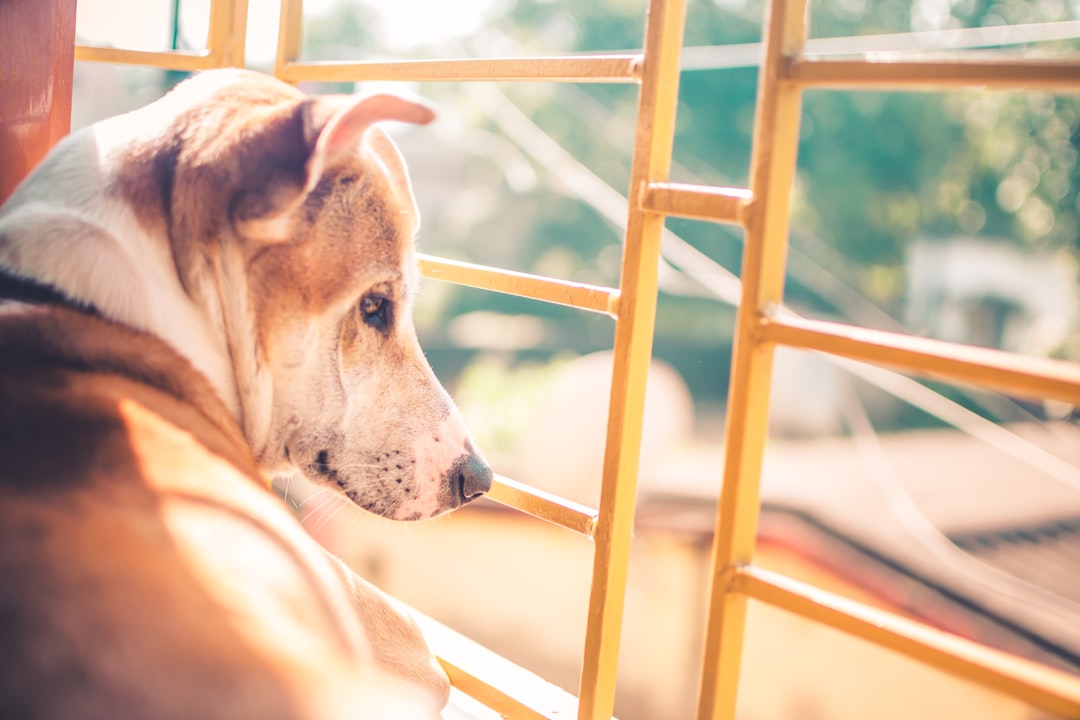
The pandemic triggered a historic wave of pet adoption in 2020 to 2021. The US added over 12 million pet-owning households in two years, a decade’s worth of normal growth compressed into 24 months. The post-pandemic period (2022 to 2026) reveals how this adoption wave affected the pet product market. Some predicted a crash as adopted pets were returned; the data shows a more nuanced story. This article maps pet adoption trends and their continuing impact on product demand. Written from Hefei, China, by Eviehome (Hefei Ecologie Vie Home Technology Co., Ltd.).
Key numbers from the pandemic adoption wave:
This was not just a statistical blip. It was a generational shift in pet ownership driven by remote work, social isolation, and the emotional need for companionship.
As workplaces reopened, concerns grew about what would happen to pandemic-adopted pets. Media predicted a massive surrender wave. The reality was more moderate:
The net effect: the US pet-owning population is structurally higher than pre-pandemic, with an expanded customer base for pet products.
Hybrid work (2 to 4 days in office, 1 to 3 days at home) is now the dominant arrangement for knowledge workers. This creates a specific demand pattern:
The hybrid work pattern is better for smart pet product demand than either full remote or full in-office, because it combines the emotional bond of constant contact with the guilt of periodic absence.
Pandemic-era adopters were more likely to adopt from shelters than in previous years (as breeder waitlists made alternatives necessary). This cohort has ongoing needs for basic products, supplies, and smart products tailored to rescue animals with unknown histories.
Specific breed demand (French Bulldogs, Goldendoodles, Bengals, Ragdolls) remains strong but waitlists have normalized. Purebred-specific products have strong demand in these segments.
Rehome, Petfinder, and rescue Facebook groups grew massively during the pandemic and continue to be primary adoption channels.
First-time pet parents have specific product needs:
Largest single age group adopting during the pandemic. Now established pet owners aged 29 to 44, with growing disposable income and strong product spending.
Smaller but fast-growing adopter group. Often first-time pet owners living in apartments. Highly digital-native.
Older adults who adopted during the pandemic for companionship. Strong market for senior-friendly products, easier-to-use automation.
The pandemic-adopted pet cohort is now 4 to 6 years old. This means:
Yes. The US pet-owning population grew 4 to 6 percent during 2020 to 2022 and has remained elevated. This represents a structural increase in the addressable market.
New pet owners are more willing to experiment with premium and smart products. Experienced owners have stronger brand loyalty. A balanced acquisition strategy targets both.
Yes, we monitor APPA, FEDIAF and shelter industry reports to inform product development. Contact Ryan Lau for current data on specific segments.
Eviehome tracks pet adoption and ownership trends to align product strategy with buyer demand. Based in Hefei, China since 2014.
Contact Ryan Lau at ryanlau@eviehometech.com, on WhatsApp at +86 199 5653 0913, or use the contact form.