Smart Vending Payments, Telemetry and Cybersecurity Checklist
Smart vending cybersecurity decisions should begin with the project owner's use case,…

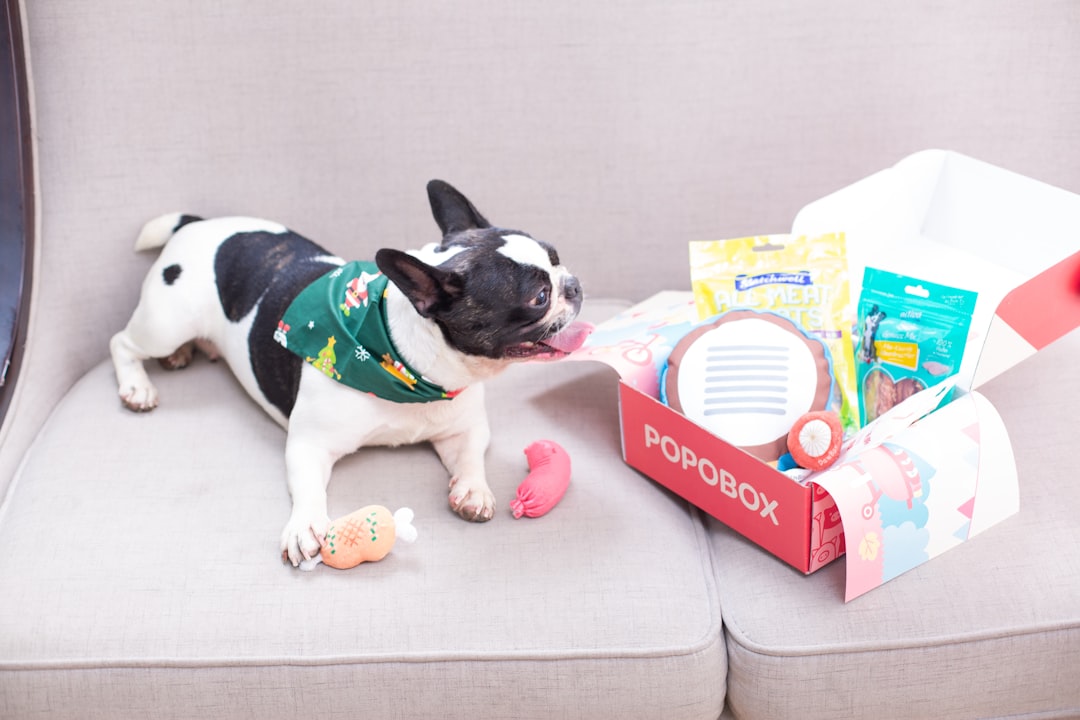
Subscription boxes are a USD 4.5 billion market in the US in 2024, and pet subscription boxes are the single fastest-growing segment within it. BarkBox alone generates over USD 500 million in annual revenue. Smart pet products overlap naturally with subscription economics: filters, food, replacement parts, and consumables all fit the recurring model. For a B2B buyer building a smart pet brand, adding a subscription component can double lifetime customer value. This article covers the subscription model, the unit economics, and how to build one into a smart pet product brand. Written from Hefei, China, by Eviehome (Hefei Ecologie Vie Home Technology Co., Ltd.).
Pet products have three characteristics that make subscription ideal:
These combine to create high subscription attach rates (30 to 60 percent of hardware buyers) and long average subscription life (12 to 36 months).
Recurring delivery of consumables: filters, waste bags, food, treats, cat litter. The subscription ships automatically on a set schedule (every 30, 60 or 90 days).
Pros: predictable revenue, high attach rate, simple logistics, low marketing cost per renewal.
Cons: requires inventory management, logistics integration, customer service for address changes and pauses.
Examples: Chewy Autoship, Amazon Subscribe and Save, brand-direct subscription (e.g., The Farmer’s Dog, Ollie).
Monthly box with a mix of curated products: a toy, a treat, a chew, seasonal items. The customer discovers new products each month.
Pros: surprise and delight factor, strong emotional engagement, differentiation opportunity, high margin on bundled items.
Cons: high operational complexity (sourcing, curation, box assembly), higher marketing cost, lower attach rate.
Examples: BarkBox, PupBox, KitNipBox.
Recurring access to digital services tied to the smart pet product: cloud storage for pet cameras, cellular SIM for GPS trackers, premium app features, vet telehealth access.
Pros: low marginal cost per subscriber, strong retention, scalable revenue.
Cons: requires software and infrastructure investment, price sensitivity is high for cloud services.
Examples: Furbo cloud subscription, Tractive GPS subscription, Ring camera plans.
The product is sold as hardware + a required or optional ongoing subscription for consumables, cloud access, or services.
Pros: best of both worlds, highest LTV, defensible moat.
Cons: most complex to set up and manage.
Examples: Petkit Pura MAX + replacement bags, Litter-Robot + cloud features, Fi smart collar + cellular SIM.
Realistic unit economics for a cat water fountain filter subscription:
For every 1 000 fountains sold, 350 subscriptions generate USD 35 000 in lifetime gross profit. This often exceeds the hardware profit on the original sale.
Most smart pet products have at least one subscription opportunity. Water fountains have filters. Litter boxes have waste bags and replacement carbon filters. Feeders have food or treats. Cameras have cloud storage. GPS trackers have cellular subscriptions.
Match the subscription frequency to the natural consumption pattern:
Too frequent = annoying. Too infrequent = customer runs out. Test and iterate.
Options:
The best time to sell the subscription is in the first 30 days after the hardware purchase. Use email, post-purchase screens, and in-app prompts to promote the subscription while the customer is engaged.
Subscription life depends on retention. Reduce churn with:
Yes, and it is recommended. Setting up subscription infrastructure after the first year is operationally painful. Build it in from the start.
15 to 25 percent for the first year as you learn how to sell it. Mature brands hit 30 to 50 percent.
Eviehome supplies the consumable products (filters, waste bags, replacement parts) that power subscription programs. We also share subscription playbook documents with OEM customers. Contact Ryan Lau.
Eviehome supports subscription-compatible product lines with reliable consumable supply and subscription-friendly pricing. Based in Hefei, China since 2014.
Contact Ryan Lau at ryanlau@eviehometech.com, on WhatsApp at +86 199 5653 0913, or use the contact form.