Smart Vending Payments, Telemetry and Cybersecurity Checklist
Smart vending cybersecurity decisions should begin with the project owner's use case,…

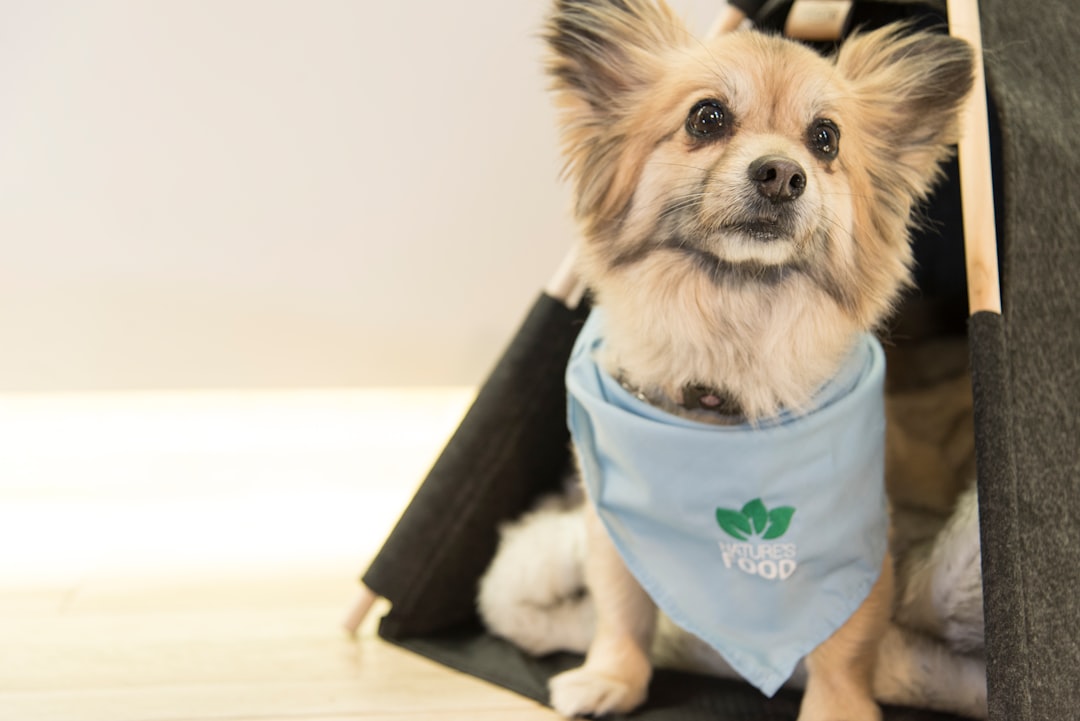
Sustainability is no longer a niche concern in the pet product market. 62 percent of millennial pet owners and 71 percent of Gen Z pet owners say they actively consider environmental impact when buying pet products, and a meaningful portion will pay 10 to 25 percent more for genuinely sustainable options. For a B2B buyer building a brand in 2026, sustainability is a competitive advantage rather than an optional marketing angle. This article covers what sustainability actually means in pet products, how to source credibly, and how to market it without greenwashing. Written from Hefei, China, by Eviehome (Hefei Ecologie Vie Home Technology Co., Ltd.).
Sustainability in pet products can refer to several distinct things:
Credible sustainability addresses several of these, not just one.
Actively seek sustainable products, willing to pay 15 to 30 percent premium, read labels carefully, recognize greenwashing. Small but vocal. Strong brand advocates when you win them.
Prefer sustainable when it is easy and not much more expensive. Willing to pay 5 to 15 percent premium. Make up the bulk of the “sustainability growth”.
Sustainability is a bonus but not a decision driver. Will buy sustainable products if they are not more expensive, will not pay a premium.
“Eco-friendly” is meaningless. “FSC-certified paperboard packaging” is specific. Use specific certifications:
“Made from 70 percent post-consumer recycled plastic” is stronger than “made from recycled plastic”. Quantify everything.
No product is 100 percent sustainable. Honest brands acknowledge trade-offs: “Our smart feeder uses electronics that are not biodegradable, but the housing is made from recycled ocean plastic and ships in plastic-free packaging.” Honesty beats perfection.
A sustainable product that lasts longer than a commodity alternative is inherently more sustainable. Emphasize durability: “Built to last 10 years instead of 2, reducing waste by 5x.”
Show where the product is made, who makes it, and under what conditions. Premium buyers value this.
EU consumer protection laws are increasingly aggressive about greenwashing. The EU Green Claims Directive (effective 2026 to 2027) will require substantiation of all environmental claims. US FTC Green Guides serve a similar function.
Chinese factories can produce genuinely sustainable products, but not all do. Requirements for a sustainability-capable supplier:
Ask these questions during factory selection. Factories that answer well are worth the relationship.
UK-based brand making pet products from bamboo, rice husks, and recycled plastics. Strong sustainability positioning, distributed in specialty retail.
US-based brand with “Zogoflex” recyclable dog toys and take-back program. Products designed for disassembly and recycling.
Design-forward pet accessories with sustainable materials and minimal packaging. Premium pricing, strong DTC presence.
Poop bags made from plant-based materials. Dominant in the eco-friendly waste bag segment.
Premium pet beds made with PlanetFill (recycled plastic bottle filling). Combined luxury + sustainability positioning.
Sustainable materials typically cost 10 to 30 percent more than conventional alternatives:
These costs are offset by: higher retail prices, stronger brand loyalty, and lower marketing cost through earned media (sustainability stories spread).
Yes, especially for brands targeting millennial and Gen Z buyers. The cost premium is offset by premium pricing and stronger brand moat. Sustainability is increasingly a baseline expectation, not a bonus feature.
You can claim “sustainable packaging” specifically, but not “sustainable product” overall. Be specific to avoid greenwashing claims.
Yes. We offer recycled plastics, FSC packaging, and molded pulp insert options for OEM customers. Contact Ryan Lau for sustainability specifications.
Eviehome offers sustainable material and packaging options including recycled plastics, FSC-certified packaging, and molded pulp inserts. Based in Hefei, China since 2014.
Contact Ryan Lau at ryanlau@eviehometech.com, on WhatsApp at +86 199 5653 0913, or use the contact form.