Smart Vending Payments, Telemetry and Cybersecurity Checklist
Smart vending cybersecurity decisions should begin with the project owner's use case,…

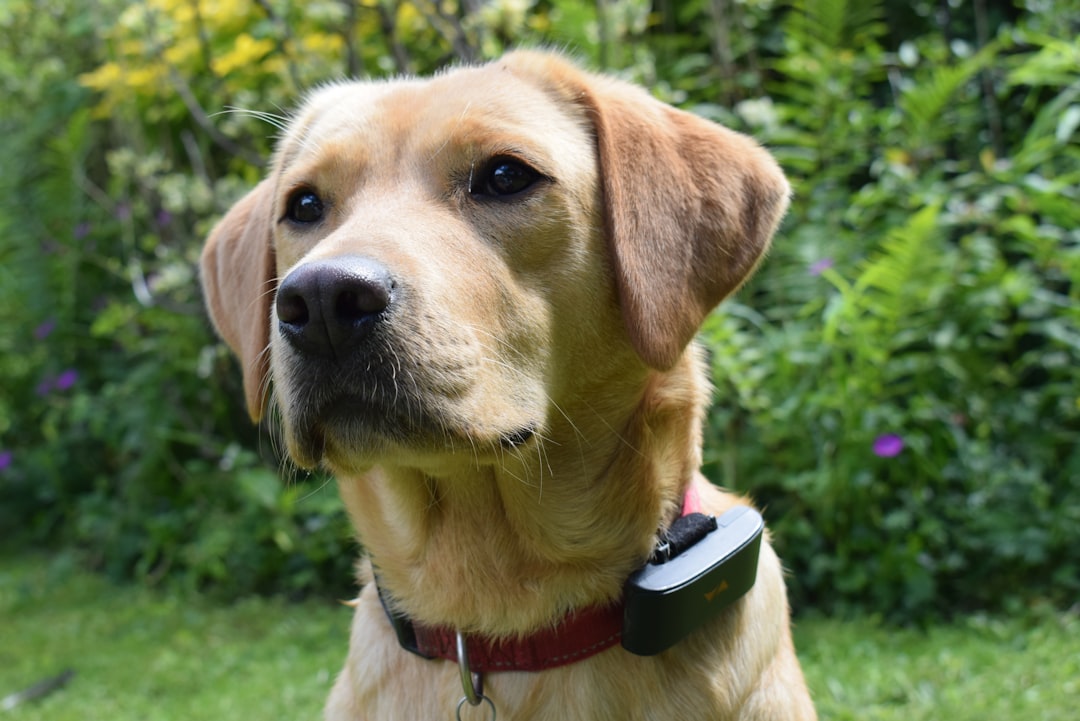
A smart bark collar is not a silver bullet. Used without training, it delivers inconsistent results and sometimes makes barking worse (the dog becomes confused about why the correction is happening). Used as part of a structured training program, it significantly reduces excessive barking within 2 to 4 weeks in most dogs. This article explains how to use a modern humane bark collar (ultrasonic, vibration, or citronella) as part of positive reinforcement training. Written from Hefei, China, by Eviehome (Hefei Ecologie Vie Home Technology Co., Ltd.).
Dogs bark for different reasons. The correct training approach depends on the cause:
A bark collar is most effective on alert and territorial barking. It is less effective on anxiety-based barking (which needs behavioral therapy) or boredom barking (which needs more exercise and enrichment).
Emits a high-frequency sound only dogs can hear when barking is detected. Non-invasive. Effective on 60 to 75 percent of dogs.
Best for: sensitive dogs, small breeds, first-time use.
A small vibration motor activates when barking is detected. Distracting but not painful.
Best for: dogs who do not respond to sound alone, training combined with voice commands.
Releases a small puff of citronella-scented mist near the dog’s nose. Unpleasant scent but harmless.
Best for: dogs who ignore sound and vibration, strong-willed breeds.
Combines sound + vibration + spray in a progressive response. Starts with the mildest deterrent and escalates only if barking continues.
Best for: most dogs. Most effective overall.
Days 1 to 3:
Skipping this step is the #1 cause of training failure. The dog associates the correction with the collar itself, not with barking.
Days 4 to 10:
Keep training sessions short and positive. Avoid leaving the collar on for long unsupervised periods in the first 2 weeks.
Days 11 to 21:
Week 4 onwards:
The goal is for the dog to internalize quiet behavior, not to depend on the collar forever.
Bark collars are tools, not magic. Training takes 2 to 4 weeks minimum for most dogs.
Collars cause skin irritation and pressure sores if worn continuously. Take off during meals, sleep, and long unsupervised periods in the early days. Aim for maximum 10 to 12 hours per day.
A bark collar should only respond to barking. Using it for other corrections confuses the dog.
Punishment alone is less effective than punishment + reward. Always reward silence explicitly.
Anxious dogs get more anxious with correction. Bark collars can worsen anxiety barking. Consult a trainer or vet for anxiety cases.
Puppies are still learning basic behavior and are more sensitive. Most bark collars are not recommended for young puppies.
A tired, mentally stimulated dog barks less. Before reaching for a bark collar, try:
Many “barking problems” resolve with better exercise and enrichment alone.
A certified dog trainer (CCPDT, IAABC) can diagnose the underlying cause and design a training program.
Shock-based collars are considered cruel by most modern trainers and are banned in several countries. Modern humane collars (ultrasonic, vibration, citronella) are not considered cruel when used correctly as part of training.
2 to 4 weeks for most dogs. Up to 8 weeks for stubborn or anxiety-based cases. Some dogs require ongoing intermittent use.
We do not currently manufacture bark collars. We focus on automatic cat litter boxes, smart pet feeders and cat water fountains. For bark collars, Ryan Lau can refer you to trusted factory partners.
Eviehome specializes in smart pet products other than bark collars. We can refer to trusted bark collar factories for interested B2B partners. Based in Hefei, China since 2014.
Contact Ryan Lau at ryanlau@eviehometech.com, on WhatsApp at +86 199 5653 0913, or use the contact form.