Smart Vending Payments, Telemetry and Cybersecurity Checklist
Smart vending cybersecurity decisions should begin with the project owner's use case,…

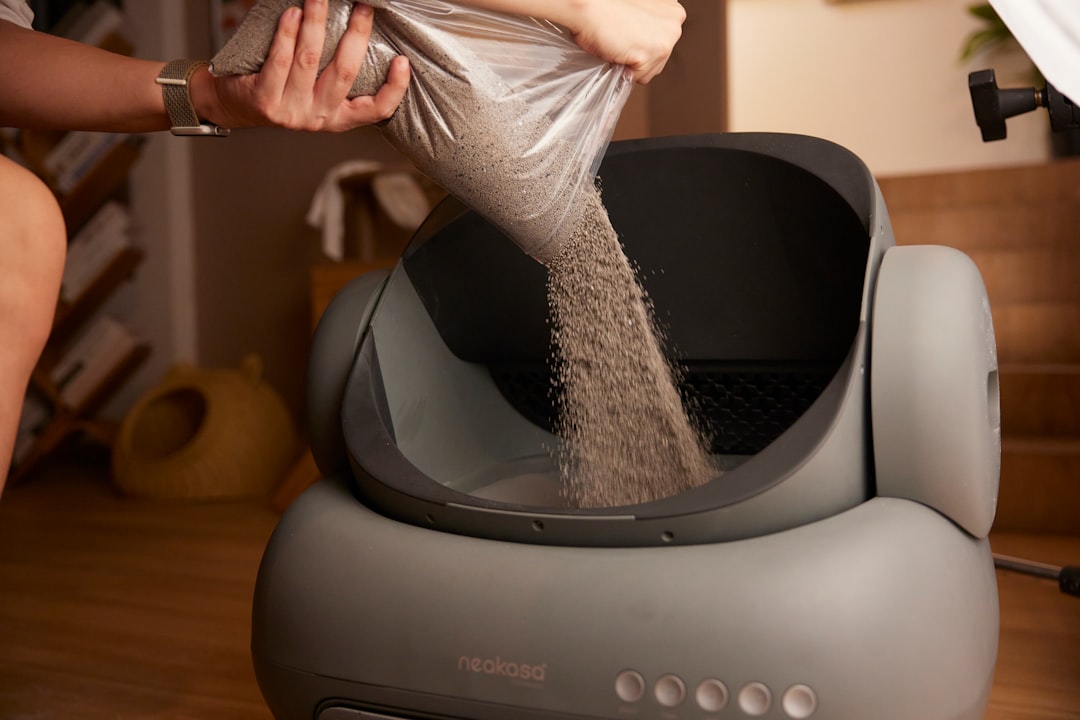
No product is perfect. Automatic cat litter boxes, with their combination of motors, sensors, WiFi and mechanical moving parts, occasionally run into issues that end customers report back to the retailer or distributor. A brand that knows the common failure modes and has a published troubleshooting guide dramatically reduces the customer support burden and the warranty return rate. This article lists the 15 most common issues we see at Eviehome (Hefei Ecologie Vie Home Technology Co., Ltd., based in Hefei, China) on automatic cat litter boxes and explains the root cause and the fix for each.
Symptom: the box tries to rotate the drum but stops mid-cycle. The app shows an error.
Root cause: a large clump of litter has wedged between the drum and the grille, blocking rotation. Usually happens with overfilled litter or clumping litter that got wet.
Fix: unplug the box. Open the drum manually. Remove the obstructing clump. Check that the litter level is at or below the marked fill line. Reduce the litter quantity if overfilled. Restart the box.
Symptom: the drum rotates through its full cycle but the clumped waste stays in the drum instead of being pushed into the waste drawer.
Root cause: the litter grain is too large (does not pass through the grille) OR the clumping litter has lost its clumping power because it is too old.
Fix: use standard clumping clay litter with grain size 1 to 3 mm. Replace the litter every 4 to 6 weeks (or earlier in multi-cat households). Do not use pellets or crystal litter in a drum-based box.
Symptom: the motor makes a grinding or scraping sound during rotation. Noise level suddenly spikes.
Root cause: litter has spilled outside the drum and is getting caught in the drive mechanism. Or the drum bearings are wearing out after many cycles.
Fix: unplug, open the housing, clean the area around the drum bearings with a soft brush, remove any loose litter. If the noise persists, it may be a bearing replacement needed (warranty claim or professional repair).
Symptom: the motor starts, runs for 5 to 10 seconds, then stops. Usually accompanied by an error light or app notification.
Root cause: the motor’s overcurrent protection has triggered because of increased mechanical resistance (usually a drum jam or a wet litter clump stuck).
Fix: same as drum jam. Clean and reset. If it happens repeatedly, the motor or gearbox may be degrading and need replacement.
Symptom: the cleaning cycle never triggers (box thinks cat is always there) OR the cycle triggers while the cat is still inside.
Root cause: the weight sensor is miscalibrated. This can happen after a move, a floor vibration, or if the box sits on an uneven surface.
Fix: empty the drum, place the box on a level surface, trigger the sensor recalibration function in the app. Wait for the calibration to complete. Refill the litter.
Symptom: the cycle runs when nothing significant has happened. Or the box keeps starting then stopping.
Root cause: the weight sensor threshold is set too low, or the box is placed next to a heat vent or air conditioning duct that causes thermal drift on the sensor.
Fix: increase the weight threshold in the app settings to 2 kg if available. Move the box away from air vents. Recalibrate.
Symptom: the box does not detect cat re-entry mid-cycle, or the cycle is delayed by minutes after the cat leaves.
Root cause: the IR sensor lens is covered in dust or litter.
Fix: locate the IR sensor (usually at the entrance of the drum). Wipe the lens with a dry cloth. Do not use water or cleaning chemicals on the sensor.
Symptom: the app’s pairing flow fails at the “connecting to device” step.
Root cause: 5 GHz WiFi network selected instead of 2.4 GHz. Most cat litter boxes only support 2.4 GHz.
Fix: switch your phone to a 2.4 GHz network (some routers broadcast both as separate SSIDs). If your router is dual-band and merges the two SSIDs, temporarily disable the 5 GHz band during pairing.
Symptom: the box shows as “online” briefly then goes “offline” permanently.
Root cause: the box is at the edge of the WiFi range. The signal strength is insufficient for stable cloud connection.
Fix: move the box closer to the router, or install a WiFi extender, or switch to a mesh WiFi system.
Symptom: the cleaning cycle happens but the app notification arrives 30 minutes later or not at all.
Root cause: the phone OS has disabled background notifications for the app, or the cloud backend is experiencing latency.
Fix: check phone notification settings for the app, enable background refresh, whitelist the app from battery optimization (Android) or notification filtering (iOS).
Symptom: the box cycles correctly but the room smells.
Root cause: the waste drawer is full or the carbon filter is saturated.
Fix: empty the waste drawer (should be done every 5 to 10 days depending on cat count). Replace the carbon filter every 30 to 60 days. Wipe the waste drawer with a pet-safe cleaning solution once a month.
Symptom: liquid pools in the drum instead of being absorbed by the clumping litter.
Root cause: insufficient litter depth or low-quality clumping litter.
Fix: maintain at least 5 cm of litter depth in the drum. Use high-quality clumping clay litter (Dr Elsey’s Ultra, Arm & Hammer Slide, or equivalent). Cheap litter does not clump fast enough.
Symptom: plugged in, no lights, no response.
Root cause: power adapter failure (most common), damaged cable, or blown internal fuse.
Fix: try a different outlet. Check the adapter LED. If the adapter has no LED or the box still does not respond, the adapter needs to be replaced (usually a warranty claim).
Symptom: the box shows a “safety error” or refuses to rotate.
Root cause: the safety sensors are reporting an inconsistent state (one sensor says occupied, the other says empty). Fail-safe refuses to run.
Fix: remove all litter, verify no foreign object is inside the drum, recalibrate the sensors via the app, refill the litter. If the issue persists, the sensors may need replacement.
Symptom: the box physically moves during the cleaning cycle.
Root cause: the box is too light for its footprint, or the floor is slippery, or the feet are damaged.
Fix: add anti-slip pads under the feet. Weight down the base with a counterweight if needed. For production quality control, the factory should have caught this (the stability test is part of EN 60335). Contact the supplier if it happens on multiple units.
Motor failure at 1 to 2 years of use on budget boxes. Sensor calibration issues at 6 to 12 months on all boxes. WiFi disconnection on edge-of-range installations. These three account for 70 percent of warranty returns.
Three actions: (1) source from a factory that uses brushless DC motors rated 50 000+ cycles (Eviehome’s standard), (2) include a laminated troubleshooting card in the packaging so customers can solve the top 5 issues themselves before contacting support, (3) offer a 24-hour email support channel to catch issues before they turn into returns.
Yes. A clear troubleshooting page reduces customer support volume, ranks for long-tail keywords like “[brand name] litter box not working” and builds trust with prospective buyers who research the brand before buying.
Eviehome ships a troubleshooting guide with every automatic cat litter box. Our factory also provides post-sales support to private-label buyers facing customer issues. Based in Hefei, China since 2014. See our definitive B2B buyer’s guide and our certifications and quality page.
Contact Ryan Lau at ryanlau@eviehometech.com, on WhatsApp at +86 199 5653 0913, or use the contact form.