A good product spec sheet is the single most important document in any OEM relationship. It is the contract behind the contract: the exact description of what the buyer expects the product to look like, what it does, how it performs, and how it is built. A sloppy spec sheet invites factory interpretation, which invites disputes, which invites delays. A detailed spec sheet aligns both parties from day one. This article explains how to write a pet product spec sheet that protects your interests, written from Hefei, China, by Eviehome (Hefei Ecologie Vie Home Technology Co., Ltd.).
What a spec sheet is and is not
A spec sheet is a technical document describing:
- The physical product and its dimensions
- The materials and colors
- The electronic components and their behavior
- The software features and user interface
- The performance tolerances
- The packaging and accessories
- The certifications required
- The quality acceptance criteria
It is NOT a marketing document, a user manual, or a sales pitch. Keep it technical, unambiguous, and testable.
The 12 sections of a complete spec sheet
1. Product identification
- Product name and SKU
- Revision number and date
- Brand name
- Target markets (US, EU, UK, etc.)
2. Physical specifications
- Overall dimensions (L x W x H) with tolerance (e.g., +/- 1 mm)
- Weight with tolerance
- Volume or capacity
- Color codes (Pantone or RAL)
- Surface finish (matte, gloss, soft-touch, textured)
3. Material specifications
- Plastic type (ABS, PC, PP, food-grade)
- Metal type (stainless steel grade, aluminum alloy)
- Reference to food-contact compliance (FDA 21 CFR, EU 10/2011)
- REACH and ROHS compliance
4. Mechanical specifications
- Moving parts (motors, hinges, gears)
- Mechanical tolerances
- Expected life cycles (e.g., 100 000 motor rotations)
- Drop test requirements (height, surface)
- Load bearing capacity if applicable
5. Electronic specifications
- Microcontroller model
- Memory (RAM, flash)
- WiFi chipset and protocol (2.4 GHz, 802.11 b/g/n)
- Sensors list (PIR, weight, temperature, etc.)
- Actuators (motors, solenoids, speakers)
- Power input (USB-C, DC barrel, battery type)
- Power consumption (idle, active, peak)
- Battery capacity and expected runtime
6. Software and firmware specifications
- Firmware platform (Tuya, custom, AWS IoT)
- Mobile app (iOS/Android, Tuya, custom)
- Features list with detailed behavior description
- OTA update mechanism
- Cloud platform and region
7. Performance specifications
- Precision tolerances (e.g., portion +/- 3g on 30g meal)
- Operating temperature range
- Humidity range
- IP rating
- Noise level in dB
8. Safety and certifications
- Required certifications (FCC, CE, RED, FDA, EU 10/2011, etc.)
- Safety standards (UL, IEC, EN)
- Warning labels required
- Recall test procedures
9. Packaging
- Primary packaging (box) dimensions and materials
- Inner protection (foam, molded pulp, corrugated)
- Accessories included and their packaging
- Printed materials (manual, warranty card, quick start)
- Master carton specs (units per carton, dimensions, weight)
- Labeling requirements (SKU, barcode, compliance marks)
10. Accessories and bundle contents
- List every item in the box (main unit, cable, manual, mounting kit, etc.)
- Quantity and specification of each
- Language of printed materials
11. Quality acceptance criteria
- AQL (Acceptable Quality Limit) for major defects (typically 2.5)
- AQL for minor defects (typically 4.0)
- Cosmetic acceptance standards (photos of acceptable and unacceptable examples)
- Functional test procedures
- Drop test requirements
- Aging test requirements
12. Revision history
A table listing every change made to the spec sheet over time, who requested it, and when. This avoids confusion about which version is current.
How to write unambiguous specs
Vague specs create disputes. Concrete specs prevent them. Compare:
Vague: “The noise level should be low.”
Concrete: “The pump noise level measured at 30 cm distance in an anechoic chamber shall not exceed 32 dB during continuous operation.”
Vague: “The plastic should be good quality.”
Concrete: “Housing shall be made of ABS virgin resin, grade suitable for food contact per FDA 21 CFR 177.1520, with minimum Izod impact strength 20 kJ/m2 at 23 degrees Celsius.”
Vague: “App should be easy to use.”
Concrete: “First-time pairing from app download to first dispense shall be under 4 minutes for 95 percent of users in a standardized usability test.”
Reference images and drawings
Every spec sheet should include:
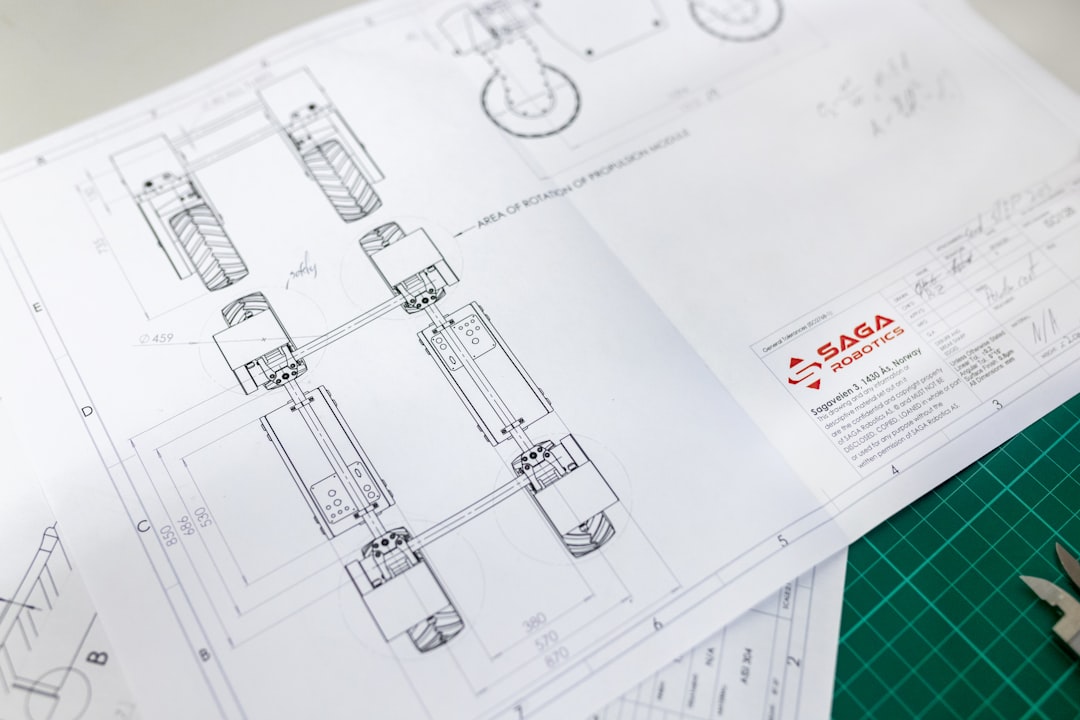
- 2D technical drawings: front, side, top view with dimensions
- 3D renderings: to verify aesthetics
- Exploded view: showing all components
- Color swatches: Pantone references
- Golden sample photos: the acceptance reference
- Packaging mockups: printed proofs
Images are worth 1000 words in a factory environment where language barriers exist.
Language and bilingualism
Write the spec sheet in English for your own reference. Have it translated to Simplified Chinese for the factory. Both versions should be provided, with the English version as authoritative in case of discrepancy (or Chinese, depending on your legal preference).
Technical translation is not the same as general translation. Use a translator familiar with manufacturing terminology. A bad translation creates the same disputes as a bad spec.
Version control
Spec sheets evolve. Manage versions with:
- Clear version numbers (v1.0, v1.1, v2.0)
- Date on every page
- Change log in the revision history section
- Formal sign-off on each version by both parties (buyer + factory)
- Never reference “the latest spec” — always reference a specific version number
Common mistakes
- Using the factory’s catalog spec as your own: does not reflect your specific requirements
- Assuming common sense: what is obvious to you may not be to a different cultural or engineering context
- No tolerances: specs without tolerances are unmeasurable
- No acceptance criteria: specs without AQL are unenforceable
- Outdated versions circulating: confusion about what is current
- No reference photos: cosmetic disputes are unavoidable without visual references
Frequently asked questions
How long is a typical pet product spec sheet?
15 to 40 pages for a mid-complexity smart pet product. Simpler products (non-electronic toys) can be 5 to 10 pages. Complex products (camera-equipped feeders with custom firmware) can exceed 60 pages.
Who writes the first draft?
Usually the factory drafts an initial spec based on their existing product, the buyer reviews and marks up. Subsequent revisions are a back-and-forth until sign-off. For ground-up custom products, the buyer may write the first draft.
Does Eviehome provide spec sheet templates?
Yes. We provide our standard spec sheet template to OEM customers, pre-filled with the relevant sections for pet product categories. Contact Ryan Lau for a copy.
About Eviehome
Eviehome uses detailed bilingual spec sheets for every OEM project with clear version control. Based in Hefei, China since 2014. See our OEM/ODM services page.
Contact Ryan Lau at ryanlau@eviehometech.com, on WhatsApp at +86 199 5653 0913, or use the contact form.