Smart Vending Payments, Telemetry and Cybersecurity Checklist
Smart vending cybersecurity decisions should begin with the project owner's use case,…

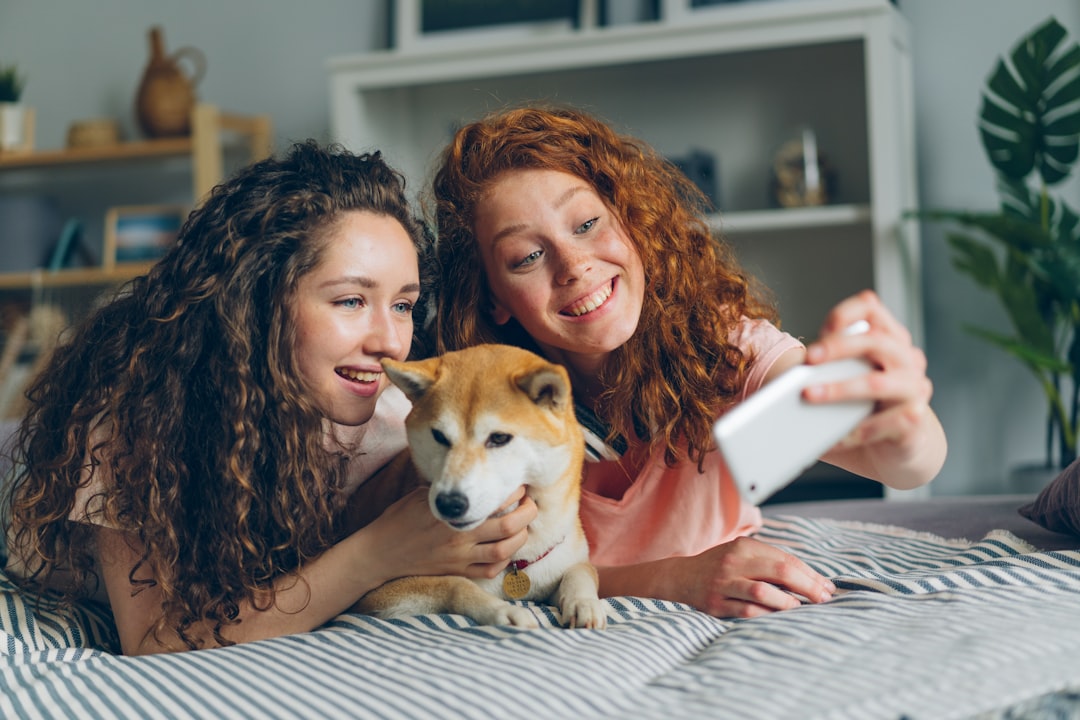
Millennials and Gen Z together account for 57 percent of US pet-owning households in 2026, and they spend 15 to 30 percent more per pet than older generations. They are the demographic driving almost all the growth in the smart pet product category. Understanding what they buy, what they respond to in marketing, and what they demand from brands is the single most important market research for any new pet product brand. This article maps the Gen Z and Millennial pet buyer in detail. Written from Hefei, China, by Eviehome (Hefei Ecologie Vie Home Technology Co., Ltd.).
Gen Z includes both young adults making first-time pet purchases and teenagers influencing family pet choices. Most pet industry data focuses on Gen Z adults 18+.
Both generations heavily research products before buying. The typical journey:
This process takes days to weeks for higher-priced items. Short-circuit it with strong reviews, clear value propositions, and authentic content.
Gen Z buys overwhelmingly on mobile. Millennials split between mobile and desktop. Product listings, checkout flows, and brand websites must be mobile-optimized or the sale is lost.
Both generations accept premium pricing for products that deliver. Millennials especially are willing to pay USD 300+ for a quality smart pet product if it solves a real problem and aligns with their values. Gen Z is more price-conscious but still rewards premium.
Both generations actively seek sustainable products. Willingness to pay 10 to 20 percent more for:
Greenwashing is immediately called out on social media. Claims must be specific and verifiable.
Stock photography and scripted ads perform poorly. Authentic content, real pets, imperfect moments, and behind-the-scenes transparency perform well. Brands founded by pet owners solving their own problems resonate strongly.
Brands with clear values (animal welfare, environmental responsibility, inclusive hiring) win loyalty. Silent or inconsistent brands struggle.
Brands with active communities (Instagram hashtags, Facebook groups, Discord servers) retain customers better. Community is the moat.
Gen Z especially appreciates clear pricing, no hidden fees, and honest comparisons with competitors. Dark patterns are noticed and penalized.
Amazon Prime and Chewy Autoship set expectations. 2 to 3 day delivery is the baseline. Paid shipping on mid-priced items feels unfair.
Dominant for Gen Z, fast-growing for Millennials. Pet content is one of the top categories. Short-form unboxing, product demos, and “before and after” content drive discovery.
Still strong, especially for aesthetic products and lifestyle positioning. Reels and Stories are increasingly the format, feed posts are declining.
Long-form product reviews, “is this worth it?” videos, and channel personalities drive higher-value purchases. Essential for products over USD 100.
The default commerce destination. Listings, reviews and A+ content are where the decision happens after discovery elsewhere.
Search-driven research, especially for specific problems (“best smart litter box for Maine Coon”). SEO and content marketing matter.
Honest peer reviews in subreddits like r/cats, r/dogs, r/catsoncats, r/dogsonleashes. Highly trusted, moderately niche.
Target millennials for the first 2 to 3 years because they have more disposable income and clearer patterns. Expand to Gen Z as the brand matures. Gen Z’s pet ownership will grow rapidly 2026 to 2030.
Yes, especially for visual products and Gen Z targeting. Pet content performs exceptionally well. Budget for organic content and paid TikTok ads.
Yes. We share buyer research and marketing angle recommendations with OEM customers targeting specific demographics. Contact Ryan Lau for positioning consultation.
Eviehome manufactures smart pet products positioned for millennial and Gen Z pet parents. Based in Hefei, China since 2014. See our pet humanization article.
Contact Ryan Lau at ryanlau@eviehometech.com, on WhatsApp at +86 199 5653 0913, or use the contact form.