Smart Vending Payments, Telemetry and Cybersecurity Checklist
Smart vending cybersecurity decisions should begin with the project owner's use case,…

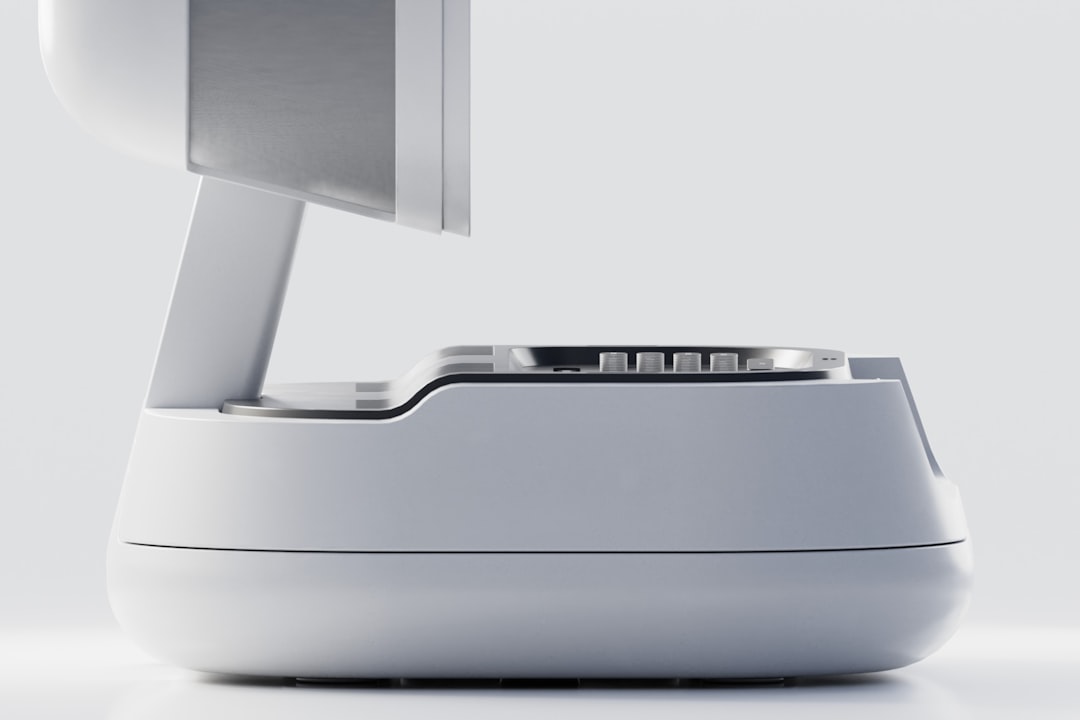
Three generations of automatic pet feeders are on the market simultaneously in 2026: gravity feeders (USD 15 to 40), programmable feeders (USD 40 to 90), and smart WiFi-enabled feeders (USD 79 to 249). Each serves a different buyer segment with different unit economics, different return rates and different channel fit. For a B2B buyer deciding which technology to stock, understanding the trade-offs between the three is the starting point. Written from Hefei, China, by Eviehome (Hefei Ecologie Vie Home Technology Co., Ltd.).
A gravity feeder is a plastic hopper that refills a bowl automatically as the pet eats. No motor, no electronics, no app. The pet eats from the bowl, the bowl empties, gravity pulls more kibble down from the hopper. Capacity 2 to 6 liters typically.
Pros: zero electronics to fail, no power needed, USD 4 to USD 8 FOB unit cost, 60 to 70 percent gross margin at USD 15 to USD 40 retail, simple to manufacture and ship.
Cons: no portion control (pet eats as much as it wants, contributing to obesity), no schedule (the pet controls when to eat), no data, commoditized segment with thin differentiation.
Best for: budget buyers, second-home vacation owners, very young kittens or puppies that need food available at all times.
A programmable feeder has a hopper, a motor-driven auger, a small LCD screen and physical buttons to program the schedule. Battery-powered (4 D-cell or similar) with no WiFi. You set the meals and portions on the device itself. No app.
Pros: portion control, scheduled feeding, independence from home WiFi, simpler for older users who do not want to deal with an app, USD 15 to USD 25 FOB, 55 to 65 percent gross margin at USD 40 to USD 90 retail.
Cons: no remote control (you cannot trigger a meal from your phone), no notifications, no data logging, LCD screen is clunky, schedule is painful to edit (lots of button presses).
Best for: budget-conscious pet owners who want basic automation, tech-averse users, owners who need something that works without WiFi.
A smart WiFi feeder has everything a programmable feeder has plus a WiFi module and a mobile app. The app is the main interface: schedule editing, manual dispense, notifications, history log, camera (on premium models), voice recording (on premium models). The LCD screen is replaced by a small status LED or a minimal OLED.
Pros: full remote control, rich data, push notifications, camera option, voice recording option, multi-user sharing, firmware updates that add features over time, 58 to 68 percent gross margin at USD 79 to USD 249 retail.
Cons: higher USD 25 to USD 55 FOB unit cost, dependency on home WiFi (mitigated by local schedule fallback), app maintenance burden for the brand, more potential failure modes.
Best for: millennials and Gen X tech-comfortable pet owners, multi-pet households, owners who travel frequently, premium buyers.
| Dimension | Gravity | Programmable | Smart WiFi |
|---|---|---|---|
| Typical retail (US) | USD 15 to 40 | USD 40 to 90 | USD 79 to 249 |
| FOB unit cost (500 units) | USD 4 to 8 | USD 15 to 25 | USD 25 to 55 |
| Gross margin after landed | 55 to 65% | 55 to 62% | 58 to 68% |
| Portion control | No | Yes (manual) | Yes (app-controlled) |
| Remote control | No | No | Yes |
| Data logging | No | No | Yes |
| Camera option | No | No | Yes (premium) |
| Warranty return rate | 1 to 2% | 3 to 5% | 4 to 7% |
| Category growth 2024 to 2026 | Flat | -5% YoY | +21% YoY |
| Amazon competitive density | Very high | High | Medium |
The category is splitting: gravity feeders are commodities with thin differentiation, programmable feeders are losing share every year, and smart WiFi feeders are where the growth and margin live. For a retailer entering the pet feeder category in 2026, we recommend:
This covers the mainstream demand without over-diversifying into low-margin commodities.
Yes but declining. Programmable feeders are losing 5 percent market share per year to smart WiFi. They still serve the tech-averse segment and the off-grid segment, which together is about 15 to 20 percent of the category. Worth stocking 1 SKU but not more.
More complexity = more potential failure modes. App pairing issues, WiFi disconnections, firmware bugs. Mitigate with reliable Tier 1 engineering (see our WiFi feeders 2026 features article) and a clear troubleshooting guide bundled with the product.
Only if it is a “universal” design with mid-range hopper (6 to 8 liters) and wide portion range (10 to 150 grams). See our cat vs dog feeder differences article.
Eviehome manufactures smart WiFi pet feeders and universal multi-pet feeders. Based in Hefei, China since 2014. See our smart pet feeders wholesale buyer’s guide.
Contact Ryan Lau at ryanlau@eviehometech.com, on WhatsApp at +86 199 5653 0913, or use the contact form.