Smart Vending Payments, Telemetry and Cybersecurity Checklist
Smart vending cybersecurity decisions should begin with the project owner's use case,…

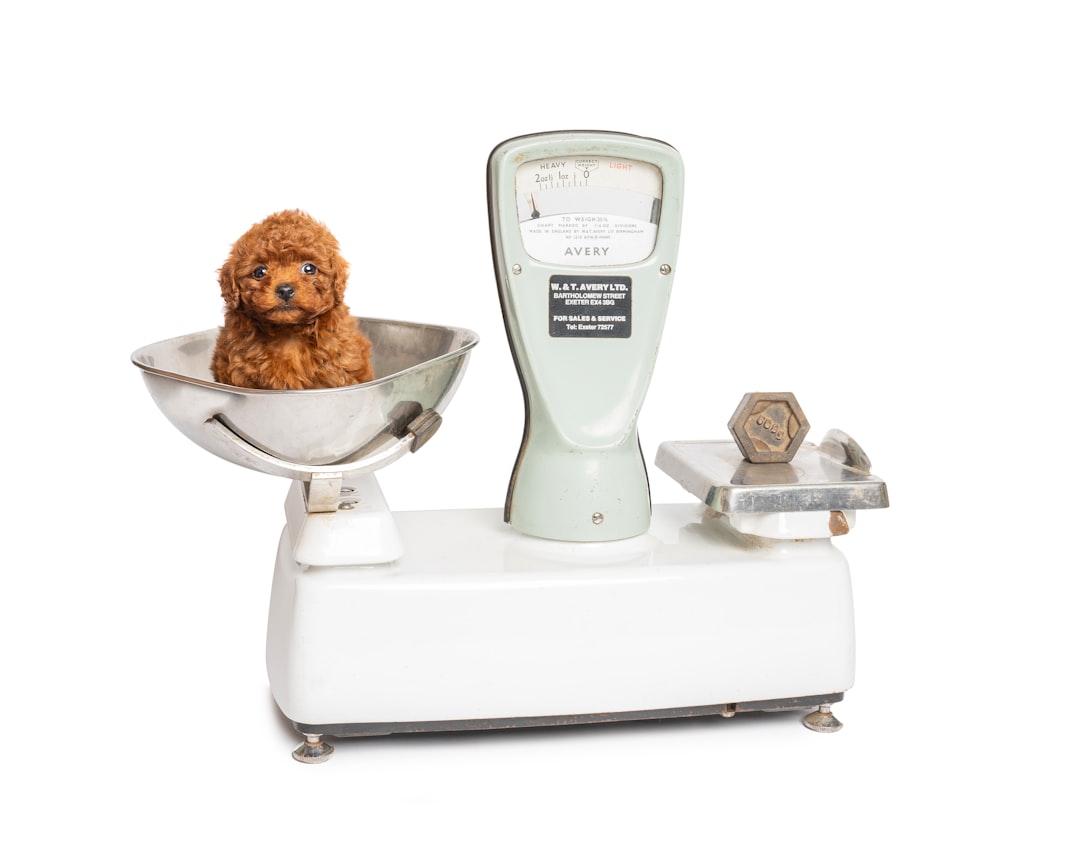
Portion control is the feature that separates a smart pet feeder from a glorified hopper. It is also the feature most often marketed with misleading numbers: “1 gram accuracy” claims that fall apart in the real world with variable kibble densities. For a B2B buyer sourcing pet feeders, understanding how portion control actually works, what accuracy is achievable in practice, and how buyers perceive the feature is how you select the right SKU for your channel. This article covers portion control mechanisms, real-world accuracy, health angles and marketing positioning, written from Hefei, China, by Eviehome (Hefei Ecologie Vie Home Technology Co., Ltd.).
Pet obesity is the biggest preventable health issue in cats and dogs in developed markets. 60 percent of US cats and 56 percent of US dogs are overweight or obese (Association for Pet Obesity Prevention, 2024). The single biggest driver is free-feeding: leaving food available all day and letting the pet self-regulate. Most pets cannot self-regulate; they eat until the bowl is empty.
A portion-controlled feeder solves this by dispensing a fixed amount of food at fixed times. The owner sets the daily calorie target, divides it across 2 to 6 meals, and the feeder enforces the schedule. For weight-managed pets (post-neutering, senior cats, diabetic cats, recovering dogs), portion control is not a nice-to-have. It is the core value proposition of the product.
A rotating screw-shaped auger pushes kibble from the hopper through a dispensing hole into the bowl. One rotation = one fixed volume of kibble. The feeder counts rotations to control portion.
Accuracy: 5 to 10 percent variance in practice. A 30-gram meal can be 27 to 33 grams depending on kibble density and hopper fill level (a nearly-empty hopper dispenses less per rotation than a full one due to lower gravity pressure).
Pros: simple, cheap (USD 2 to 4 motor + auger unit), reliable.
Cons: jam-prone with large kibble (above 12 mm), variable accuracy, cannot handle moist or semi-wet food.
A rotating wheel with cups or paddles that scoops a fixed volume from the hopper and drops it into the bowl. Each scoop is the same volume.
Accuracy: 3 to 7 percent variance. Slightly better than auger because the scoop volume is mechanically fixed (not dependent on hopper pressure).
Pros: better accuracy, handles variable kibble size better, less prone to jams.
Cons: USD 4 to 8 unit cost (higher), more moving parts.
A load cell under the bowl weighs the food as it dispenses and stops exactly at the target weight. True gram-level accuracy.
Accuracy: +/- 1 to 2 grams regardless of kibble type or hopper level. True precision.
Pros: genuine accuracy marketing claim, works with any kibble, compensates for hopper variability.
Cons: USD 8 to 15 extra unit cost for the load cell + calibration electronics, adds complexity, requires firmware tuning to avoid false readings from pet movement.
Amazon product pages love “1 gram precision” claims. The reality is more nuanced:
For a B2B buyer, the relevant question is: does the marketing claim survive a customer’s kitchen scale test? If a buyer with a kitchen scale measures 33 grams on a “30 grams” setting, the brand promise fails and you get a 3-star review. Honest specs that overdeliver are better than optimistic specs that disappoint.
The app is where the portion control feature is lived by the buyer. Common UX mistakes we see:
Portion control is where pet feeders cross from “convenience product” to “health product”. The marketing angles that work:
These are high-conviction buyer segments that will pay premium prices for proven accuracy. Market your premium feeders to these segments with vet endorsements and case studies, not just with generic “smart WiFi” messaging.
Before accepting a large PO from a pet feeder factory, run this portion control test on 10 random sample units:
This catches the factories that have good lab specs but poor production consistency.
Premium feeders: yes. The app has a calibration wizard where the owner dispenses a test meal, weighs it, and enters the actual weight. The feeder then adjusts the rotation count per gram. Budget feeders: no, they use a fixed rotation-to-gram table.
Weighing platform feeders: the load cell reads cumulative weight, so the feeder knows the bowl already has food and dispenses only the missing amount. Auger feeders: blind dispensing, over-fills the bowl.
Yes, on our premium pet feeder line. Contact Ryan Lau for spec sheet and lab accuracy reports.
Eviehome manufactures portion-controlled pet feeders across auger, impeller and weighing-platform mechanisms. Based in Hefei, China since 2014. See our WiFi pet feeders 2026 features article and our gravity vs programmable comparison.
Contact Ryan Lau at ryanlau@eviehometech.com, on WhatsApp at +86 199 5653 0913, or use the contact form.