Smart Vending Payments, Telemetry and Cybersecurity Checklist
Smart vending cybersecurity decisions should begin with the project owner's use case,…

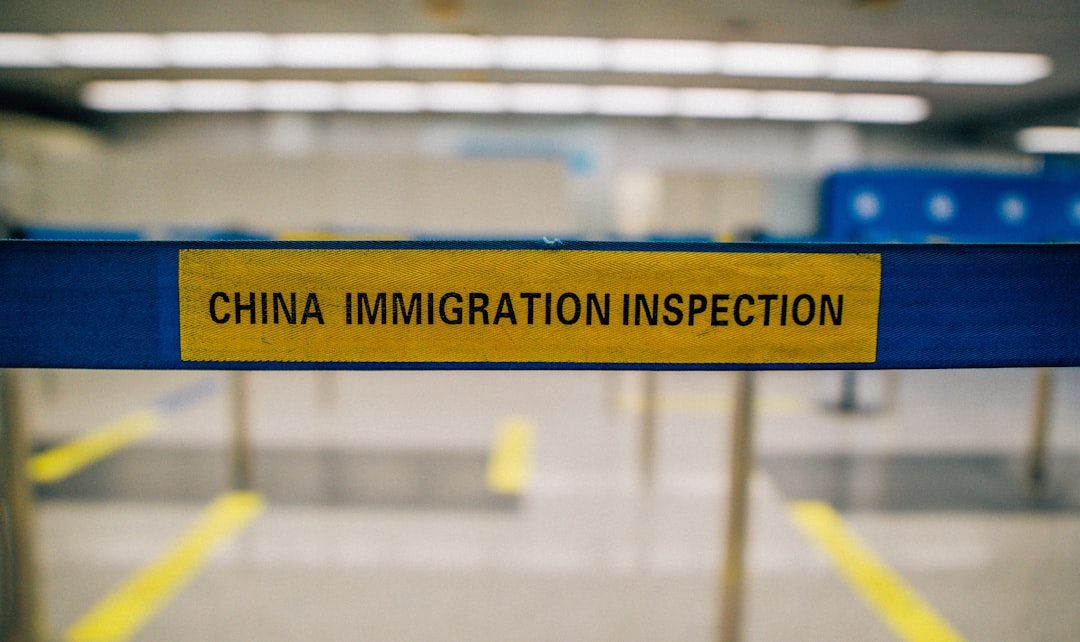
Chinese factories love to display certifications on their websites, brochures and Alibaba pages. A typical factory page might show 20+ certificates: ISO 9001, ISO 14001, BSCI, FCC, CE, FDA, ROHS, REACH, FSC, and more. For a first-time B2B buyer, the question is which of these are real, which are current, and which are relevant to the product you are buying. This article teaches you to read factory certification claims critically and verify them systematically. Written from Hefei, China, by Eviehome (Hefei Ecologie Vie Home Technology Co., Ltd.).
A genuine, current certification that covers the specific product or process you care about. Most reputable factories have several of these. They are the useful signal.
A genuine certification that does not cover the product you are buying. For example, an ISO 9001 certificate for “manufacture of small plastic parts” displayed while selling you electronic pet feeders. Still useful as a signal of management discipline but not a product-level guarantee.
A certificate that has expired, was issued by an unreliable body, was issued to a different company, or was fabricated. More common than buyers expect.
Every legitimate certificate has these fields. Missing or vague fields are red flags.
Should match the factory’s Chinese business license exactly. A certificate issued to “Shenzhen XYZ Technology Co., Ltd.” while the factory you are dealing with is “Shenzhen ABC Technology Co., Ltd.” is worthless.
Describes what activities or products are covered. Example: “Design and manufacture of smart pet feeders and cat water fountains”. Scope must cover your specific product category.
The organization that issued the certificate. Should be a recognized accrediting body. Examples of reputable bodies:
Unknown or obscure certification bodies should be verified separately.
Most certificates are valid for 3 years (ISO 9001, ISO 14001) or 1 year (BSCI). An expired certificate is not valid. Factories sometimes display expired certificates hoping buyers do not check.
A unique identifier that can be verified with the issuing body’s online verification tool.
Chinese business documents require the official company chop (seal). The certification body’s signature is usually electronic or printed.
Ask for clear PDF scans, not photos. Photos can be edited or of low quality. Clear PDFs show the details.
Request a copy of the factory’s Chinese business license. Match the factory name on the certificate to the business license exactly. Small differences can indicate a different company or a fraudulent certificate.
Check the certification body on the International Accreditation Forum (IAF) website or their national accreditation body. Verify the body is accredited to issue the specific type of certificate.
Most reputable certification bodies have online verification tools:
Enter the certificate number and verify the details match.
Certificates are summaries. Test reports are the underlying data. Request the full test report, verify the lab’s accreditation, and confirm the product tested matches your product.
Red flags in a factory’s certification portfolio:
Prioritize verification for:
Lower priority: generic certifications (FSC, ISO 14001) unless specifically relevant.
Some Chinese factories use “certification shopping”: they pay for low-quality certifications from obscure bodies to fill their marketing materials. These certificates look official but have no real verification behind them.
Signs of certification shopping:
Focus on the well-known, reputable certification bodies and treat obscure ones as decorative.
For large orders, a third-party factory audit is more valuable than any certificate. SGS, TUV, Bureau Veritas, and QIMA offer factory audits for USD 500 to 2 000 that verify:
Worth the cost for orders above USD 20 000.
Yes, and some do. Verification through official certification body portals is how you catch this.
Walk away. Reputable factories are proud to share verifiable documentation. Refusal is a major red flag.
Yes. All Eviehome certificates include full certificate numbers, scope descriptions, and can be verified through the issuing bodies. Available on our certifications and quality page.
Eviehome maintains fully verifiable certifications with online verification through the issuing bodies. Based in Hefei, China since 2014.
Contact Ryan Lau at ryanlau@eviehometech.com, on WhatsApp at +86 199 5653 0913, or use the contact form.