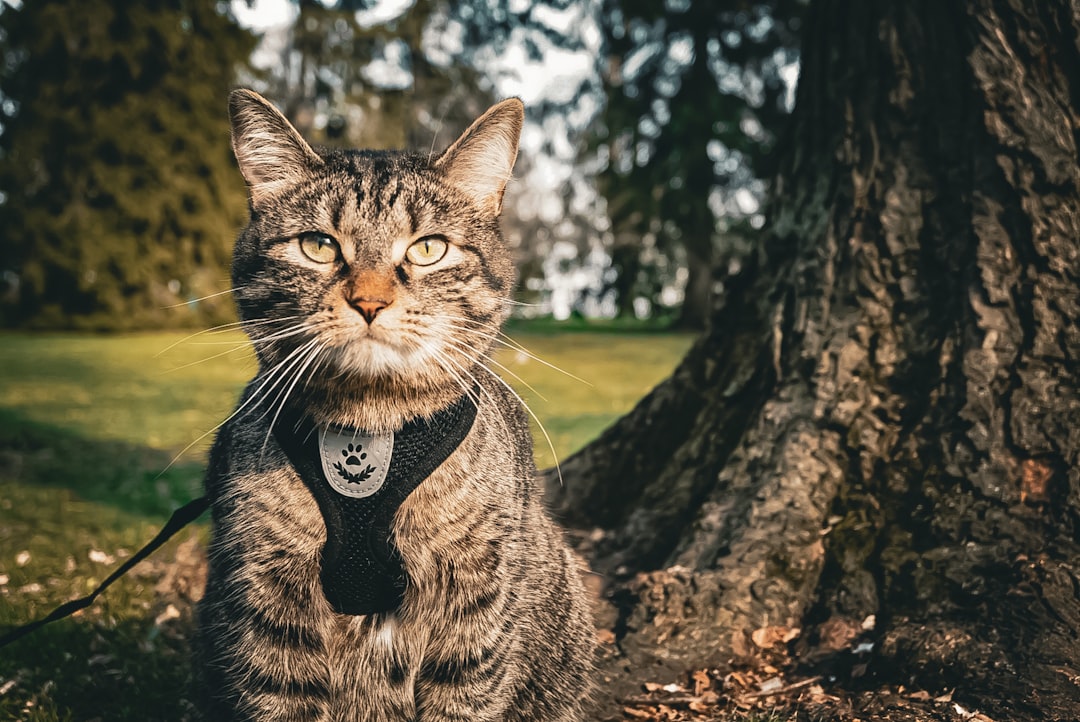
Wearable pet health technology is the category everyone in smart pet products is watching in 2026. Early generation pet wearables (2015 to 2020) failed commercially because the technology was too basic and the value proposition was unclear. The current generation (2023 to 2026) has matured dramatically: smart collars now track heart rate, respiration, temperature, activity, and sleep with clinical-grade accuracy. Combined with veterinary AI, wearables are on the verge of becoming a genuine health monitoring tool rather than a novelty. For a B2B buyer, this is the category with the highest long-term upside but also the highest execution risk. Written from Hefei, China, by Eviehome (Hefei Ecologie Vie Home Technology Co., Ltd.).
What counts as a wearable pet health device
The current category includes 5 product types:
- Activity trackers: simple accelerometer-based collars that count steps and classify activity levels. The Fitbit of the pet world. Category pioneer: Whistle, FitBark.
- Smart collars with GPS: GPS + activity + health. Category leaders: Fi, Tractive Pro.
- Health-focused smart collars: add PPG heart rate sensors, temperature sensors, and respiration detection. Category leaders: PetPace, Petpuls, Invoxia Smart Dog Collar.
- Implantable biosensors: rare, experimental. Mostly for research dogs and clinical applications.
- Chronic condition monitoring: specialized devices for diabetic dogs (continuous glucose monitors adapted from human use), cardiac dogs (Holter-type monitors). Niche but high value.
The sensors that matter
Modern pet wearables use the same sensor technology as human wearables (Apple Watch, Garmin, Oura ring), adapted for pet physiology:
- PPG (photoplethysmography): green or infrared LED + photodiode measures heart rate through the skin. Works on pets with less dense fur coverage. Accuracy 85 to 95 percent in good conditions.
- Accelerometer + gyroscope: 9-axis IMU detects movement, orientation, posture. Used for activity classification (walking, running, sleeping, scratching, shaking).
- Skin temperature thermistor: measures surface temperature which correlates (loosely) with core body temperature.
- Respiration sensor: either inferred from chest motion via accelerometer, or measured directly via a strain gauge.
- ECG electrodes: some premium collars include 2-lead ECG for cardiac monitoring (rare but growing).
Why the first generation failed
Wearable pet products from 2015 to 2020 had high hype and low retention. Buyers bought the device, used it for a few weeks, and stopped. Reasons:
- The data was not actionable: owners got graphs of “activity level” but did not know what to do with the information.
- Battery life was too short: daily or every-other-day charging is too much friction for a pet product.
- Accuracy was poor: heart rate readings jumped around, step counts were unreliable.
- No veterinary integration: data stayed in a consumer app with no medical value.
- Subscription fatigue: paying USD 5 to 10 per month for “activity data I ignored” felt unjustified.
Why the second generation is working
The 2023 to 2026 generation addresses these failures:
- Longer battery life: 14 to 30 days per charge via better power management and efficient sensors.
- Higher accuracy: PPG and motion sensors are now medical-grade, validated against veterinary gold standards.
- Actionable alerts: “your dog’s resting heart rate has increased 15 percent over 3 weeks, consider a vet visit” instead of raw data graphs.
- Veterinary partnerships: some brands (PetPace, Fi Veterinary) offer vet-accessible dashboards and telehealth integration.
- Clearer value proposition: “early detection of heart disease” or “diabetes monitoring at home” instead of “fitness tracking”.
Target buyer segments
- Senior dog owners: older dogs have higher risk of heart disease, kidney disease, diabetes. Strong motivation to monitor.
- Owners of diagnosed-condition pets: dogs or cats with known heart conditions, diabetes, kidney disease. Willingness to pay is very high because the alternative is vet hospitalization.
- Anxious first-time pet owners: want reassurance that their pet is healthy. Wearable delivers peace of mind.
- Working dog owners: hunting, service, and working dogs where the owner needs to track exertion and recovery.
- Research and clinical use: veterinary clinics and universities using wearables for studies.
Pricing tiers
| Tier | Retail | Features |
|---|
| Basic activity tracker | USD 49 to 99 | Accelerometer only, activity logging |
| GPS + activity smart collar | USD 99 to 199 | + GPS, + basic health trends |
| Health-focused smart collar | USD 149 to 299 | + heart rate, temperature, respiration |
| Veterinary-grade monitor | USD 299 to 599 | + ECG, clinical validation, vet dashboard |
Sourcing reality
Health-focused wearable pet technology is still a narrow segment in Chinese manufacturing. Maybe 5 to 8 factories have the expertise to build pet-specific biosensing collars with validated accuracy. Most Chinese factories making “smart collars” are basic GPS + step counter designs without medical validation.
For a new brand entering this category, two paths:
- Partner with a Tier 1 Chinese factory that has existing health sensor platforms (PPG, ECG) and veterinary validation. USD 40 to 100 FOB per unit, MOQ 1000 to 5000.
- Partner with a Western health tech startup that has clinical validation, manufactured in China on a contract basis. Higher upfront cost but stronger brand positioning.
Regulatory considerations
Pet health monitors are generally not classified as medical devices because they are for animals, not humans. However:
- If the product claims to diagnose disease, it may fall under veterinary medical device regulations (USDA in the US, EU veterinary medicine regulations in EU).
- If the product collects biometric data shared with a cloud, GDPR considerations apply in the EU.
- If the device has a radio (Bluetooth, WiFi, cellular), standard FCC/CE/RED certifications apply.
Most commercial wearables position as “wellness devices” and “activity trackers” to avoid the medical device classification. Only clinical-grade products targeting vet clinics take on the medical device regulatory burden.
Frequently asked questions
Is the wearable pet health category really profitable in 2026?
It is an emerging category. Early brands (FitBark, Whistle) had mixed commercial success. Current generation is more promising but still not proven at scale. The winners in this category will be brands that combine strong tech, strong vet partnerships, and strong consumer marketing. It is a long-game category.
What battery life should we target?
Target 14+ days per charge for consumer acceptance. Below that, the charging friction kills daily usage. Premium products are now reaching 30+ days with efficient sensor sampling.
Does Eviehome manufacture wearable pet health tech?
We do not currently manufacture wearable pet health devices. We focus on automatic cat litter boxes, smart pet feeders and cat water fountains. For wearables, Ryan Lau can refer you to qualified factory partners.
About Eviehome
Eviehome manufactures smart pet products in mature categories. We are actively monitoring the wearable pet health category for future partnership opportunities. Based in Hefei, China since 2014. See our smart pet market overview 2026.
Contact Ryan Lau at ryanlau@eviehometech.com, on WhatsApp at +86 199 5653 0913, or use the contact form.