Smart Vending Payments, Telemetry and Cybersecurity Checklist
Smart vending cybersecurity decisions should begin with the project owner's use case,…

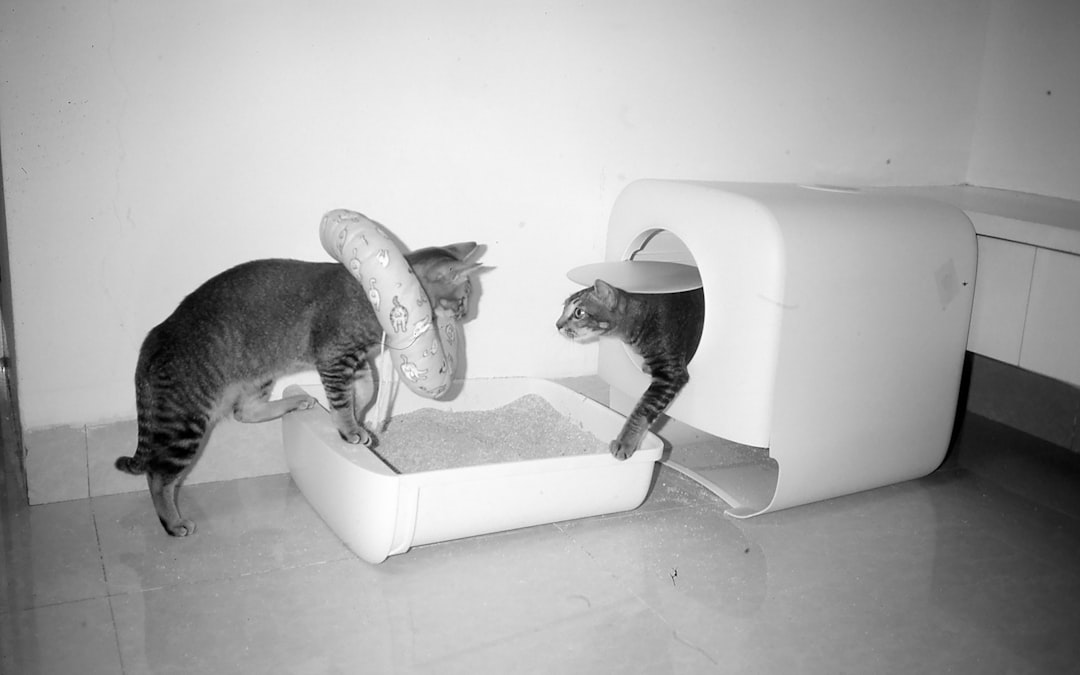
For a pet products retailer or distributor deciding which automatic cat litter box models to stock, the technology choice matters as much as the brand. Self-cleaning boxes, rotating drum boxes and flushing boxes each target different segments of the market, come with different unit economics, carry different warranty risks and sell through different retail channels. This article compares the 3 technologies from a B2B buyer’s perspective: which works best in which segment, which has the best margins, and which carries the biggest operational risks. Written from Hefei, China, by Eviehome (Hefei Ecologie Vie Home Technology Co., Ltd.).
The terminology is confusing because manufacturers use the words interchangeably. Here is the breakdown we use at Eviehome and that most of the industry follows:
| Dimension | Rake self-cleaning | Rotating drum | Flushing |
|---|---|---|---|
| Typical retail price (US) | USD 89 to 179 | USD 249 to 499 | USD 599 to 1 199 |
| FOB unit cost (500 units) | USD 30 to 55 | USD 70 to 130 | USD 180 to 320 |
| Gross margin after landed cost | 50 to 60% | 60 to 70% | 55 to 65% |
| Installation complexity | Plug and play | Plug and play | Plumbing required |
| Litter type | Crystal or clumping | Clumping clay | Flushable pellets |
| Best for | Single cat, budget buyer | Multi-cat, mainstream | Premium, small apartment no litter storage |
| Warranty return rate | 4 to 7% | 2 to 4% | 5 to 9% (water in electronics) |
| Category growth rate | Flat (maturing) | +24% YoY (2024 to 2026) | +18% YoY (niche) |
| Amazon SERP competition | High (commodity) | Medium (differentiated brands) | Low (niche) |
Rake-based self-cleaning boxes are the cheapest automatic litter box technology. A typical unit has a plastic tray, a motor-driven rake arm that travels on a linear rail, a crystal litter bed that absorbs urine, and a waste collection compartment at one end. The rake sweeps the bed after a short delay following the cat’s exit.
Pros for a B2B buyer:
Cons:
Recommendation: stock rake boxes only as an entry-level option in a multi-tier catalog. Do not build a whole brand around them.
The dominant architecture in 2026. A sealed drum rotates after the cat exits. Clean clumping litter sifts back through a grille while waste drops into a sealed drawer below. Modern drum boxes add WiFi, an app, weight sensors, odor control, and multi-cat presence detection.
Pros for a B2B buyer:
Cons:
Recommendation: this is where the volume and the margin are. Eviehome manufactures 12 rotating drum models across entry (USD 249 retail), mid-range (USD 299 to 349) and premium (USD 449 to 599) tiers.
The most premium architecture. The box connects to the household water line (cold water) and a drain. After each use, a small water flow rinses the litter bed and the waste goes down the drain like a toilet. A mild deodorizer can be injected. The litter is a specialized flushable pellet, not regular clay litter.
Pros for a B2B buyer:
Cons:
Recommendation: stock 1 or 2 flushing models as premium halo products, not as a main category. Target specialty retail and DTC channels, not Amazon.
For a new B2B brand entering the automatic cat litter box category in 2026, we recommend a 3 to 5 SKU tiered catalog:
This covers the full price ladder and lets you upsell customers from the entry model to the mid-range over time.
Flushing boxes have the highest field return rate (5 to 9 percent within 12 months) because of water + electronics failures and plumbing complaints. Rake boxes come second (4 to 7 percent) due to mechanical jams. Rotating drums have the lowest rate (2 to 4 percent) when manufactured with quality components.
Usually not. Most Chinese factories specialize in one architecture (drum OR rake OR flushing). Eviehome focuses on rotating drums (12 models) and a few rake models. For flushing boxes, we can introduce you to factories in the Pearl River Delta that specialize in that niche.
A rake box uses 3 to 5 kg of crystal litter per month per cat. A rotating drum box uses 4 to 6 kg of clumping clay litter per month per cat. A flushing box uses 2 to 4 kg of flushable pellets per month per cat. This is relevant if you sell the litter as a subscription.
Eviehome manufactures 14 cat litter box models (12 rotating drum + 2 rake architecture) across entry, mid-range and premium tiers. Based in Hefei, China since 2014. See our definitive B2B buyer’s guide for automatic cat litter boxes and our OEM and ODM services page.
Contact Ryan Lau at ryanlau@eviehometech.com, on WhatsApp at +86 199 5653 0913, or use the contact form.